Seasons & weather · Norway
Winter hiking in Norway - what's actually walkable from November to April
Most of Norway's iconic summer trails close in November. But the country has a deep winter-hiking culture if you know which routes still work, what gear changes, and how to read a Norwegian winter forecast.
Published May 8, 2026 · Last updated May 8, 2026 · researched
The short answer: from November to April, almost every iconic summer day-hike in Norway is closed or unsafe. Trolltunga, Besseggen, Galdhøpiggen, Kjerag, Reinebringen - all locked under snow, ice, or both. But Norwegian winter hiking is real, just different. Coastal walks, low-altitude forest paths, prepared “marka” trails near the cities, and ski-touring above the tree line all work. Here’s the honest breakdown.
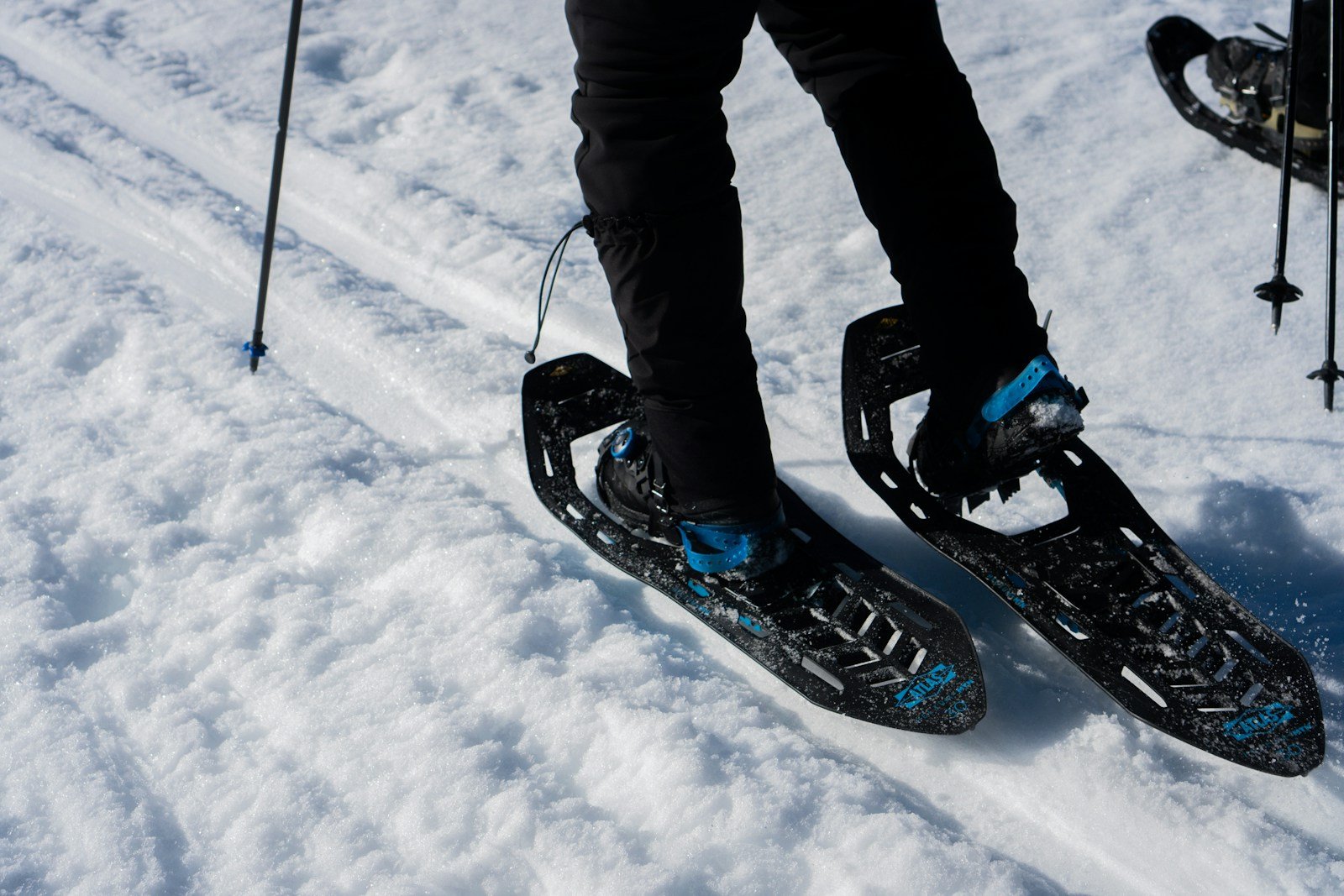
Photo: Chewool Kim on Unsplash.
What’s open vs closed
| Trail | Nov-Apr status |
|---|---|
| Preikestolen | Officially closed. Guide-only after first heavy snow. |
| Trolltunga | Closed. Guide-only with full winter equipment. |
| Kjerag | Road closed; trail unreachable. |
| Besseggen | Closed. Ferry stopped, ridge under deep snow. |
| Galdhøpiggen (summer route) | Closed. Winter route is mountaineering, not hiking. |
| Reinebringen | Closed. Stone steps icy and dangerous. |
| Hardangervidda crossings | Possible by ski with experience and avalanche knowledge. |
| Coastal walks (Lofoten, Vestland) | Open year-round in good weather. |
| Bergen Fløyen / Oslo Nordmarka / Stavanger Hinna | Open year-round. Maintained. |
| DNT marked winter trails (blue T) | Open with proper kit. |
The rule: summer trails marked with red Ts are closed in winter; winter trails marked with blue Ts are open. Walking a red-T trail off-season is on you.
Three categories of Norwegian winter walking
1. Maintained city/marka trails (easiest)
Norwegian cities have extensive forest networks (marka) with prepared winter trails, often groomed for ski. A walk through Oslo Nordmarka in February with kicksled or boots is a complete experience: cabin coffee at Sognsvann, snow-covered forest, no avalanche risk, public transport access.
What you need: warm clothing, sturdy boots, kicksled or microspikes optional.
Best for: visitors with no winter experience who want the Norwegian winter atmosphere.
2. DNT blue-T winter trails (intermediate)
The DNT publishes a separate set of winter routes, marked with blue Ts. These avoid avalanche-prone slopes, cross frozen lakes, and connect winterized cabins. Examples: parts of Hardangervidda, the Sognefjell area, sections of Jotunheimen below the high passes.
What you need: ski touring kit (or snowshoes), avalanche awareness, paper map, navigation. DNT membership and a key for winter cabin access.
Best for: winter-experienced hikers who can ski and read terrain.
3. High-mountain ski touring (advanced)
Galdhøpiggen, Glittertind, Snøhetta, the Sunnmøre Alps. Requires real mountaineering skills: avalanche assessment, transceiver/probe/shovel use, climbing skins, and confident skiing on variable snow.
What you need: dedicated ski touring kit, avalanche course (Norwegian Tinderem/NF), partner with same skill level.
Best for: experienced ski mountaineers. Not a “hiking trip you walk into.”
Reading a Norwegian winter forecast
Three sources matter:
- yr.no - the standard weather forecast. Norwegian Meteorological Institute. Reliable down to local valleys.
- varsom.no - official avalanche forecast, updated daily. Mandatory reading before any winter walk above the tree line.
- ut.no - DNT trail status, including winter route conditions and cabin availability.
The avalanche forecast uses 1-5 scale. Don’t go above the tree line at level 3 or higher without proper avalanche kit and training. Most winter accidents in Norway happen at level 2 or 3, which feel walkable but aren’t.
What changes about gear
Compare to our packing list - winter additions:
| Add | Why |
|---|---|
| Down jacket 500-700 g (or synthetic 600+ g) | Standing at the cabin for photos at -15 °C is a different layer system |
| Wind-resistant baselayer pants | Snow shoes / ski make wind a bigger factor than in summer |
| Insulated boots (winter-rated) | Standard hiking boots fail below -10 °C |
| Microspikes or full crampons | Icy lowland trails to mountaineering routes |
| Snow gaiters | Powder snow finds every gap |
| Insulated mittens + light gloves | Layered glove system; mittens warmer than gloves |
| Balaclava or buff | Face freezes faster than fingers |
| Insulated water bottle (or thermos) | Bladders freeze; hard bottles freeze; insulated thermos with warm tea works |
| Snowshoes / ski touring setup | For above-tree-line travel |
| Avalanche kit | Transceiver + probe + shovel - only above tree line in non-controlled terrain |
| Sun glasses | Snow reflects 80% of UV; sunburn risk is real |
What to remove: tent (use a heated cabin), summer-weight rain shell (use a real winter shell), trail runners (use insulated boots).
When to go for what
| Period | Best for |
|---|---|
| Mid-November | Maintained city trails, low coastal walks. Snow not yet deep. |
| December-February | Northern Lights + city/marka winter walks. Cold, dark, magical. |
| March | Sweet spot for ski touring. Long days, stable snow, light returns. |
| April | Spring ski touring at altitude. Coastal trails clearing. Variable. |
| May (early) | Shoulder. Summer trails still snowy at altitude; coastal good. |
Common questions
Can I hike Preikestolen in winter?
Only with a registered guide and full winter equipment (microspikes minimum, often crampons). The cliff edge is the problem - slipping on the slab is fatal. Several deaths over the years, all unguided winter attempts.
What’s the daylight situation?
Southern Norway in December: 6 hours of usable daylight. Northern Norway above the Arctic Circle: polar night, no sun above horizon. Plan walks for 10:00-14:00 if no headlamp use is desired.
Can I winter-camp?
Yes - under allemannsretten, with a proper four-season tent. Practical only if you have winter camping experience. Most visitors use cabins.
Are city marka trails crowded?
Less than summer, but Norwegians winter-walk in numbers. Sognsvann (Oslo), Fløyen (Bergen), Vågsbygd (Kristiansand) all see weekend traffic. Quiet weekday mornings.
What about Northern Lights?
Northern lights season: late September to late March. Best chances above the Arctic Circle (Tromsø, Lofoten, Alta). Walking trails after dark on clear nights doubles as aurora-watching. Bring a real winter coat, not a hiking layer.
Is there hut food in winter?
DNT cabins remain stocked year-round at most locations. Self-service cabins with food pantries are open all winter; staffed cabins may close from October to March or run weekends only. Check ut.no for status.
Keep reading
- The best time to hike in Norway - full season-by-season breakdown
- Norway hiking packing list - summer baseline; winter additions in this article
- DNT cabin system - winter cabin access
- Hiking in Norway: the complete guide - the hub