Seasons & weather · Norway
Best Month to Visit Norway for Hiking - Month by Month Guide
The best month to visit Norway for hiking is July, but the window runs late June to mid-September. Here's what each month is actually like - weather, daylight, crowds, and what's open.
Published May 4, 2026 · Last updated May 4, 2026 · researched
The safe summer hiking window in Norway runs from late June to mid-September, with July as the peak month. Outside that window, the iconic high-elevation trails (Trolltunga, Besseggen, Galdhøpiggen) are either closed, snow-covered, or unsafe without winter equipment. Coastal and lower-elevation walks are doable year-round if you accept rain and short days.
This page is the month-by-month version, including what’s open, what the weather actually does, when shuttle buses run, and where the crowds are.
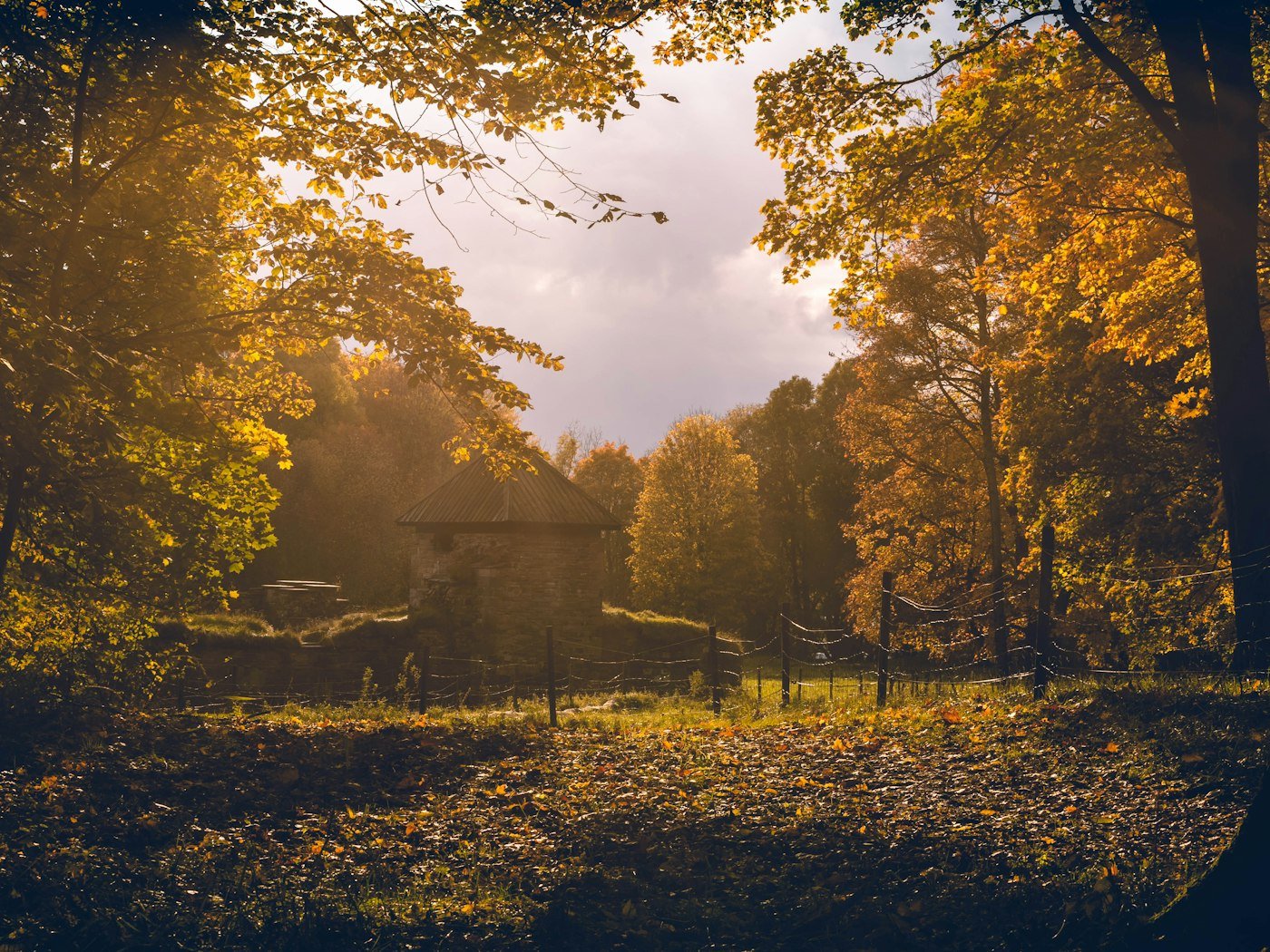
Photo: Juup Schram on Unsplash.
The short answer
| If you want… | Go in |
|---|---|
| Reliably snow-free high trails | Mid-July to late August |
| Long days with light to midnight | Late May to mid-July (north of the Arctic Circle) |
| Autumn colours and small crowds | First two weeks of September |
| Northern Lights + winter walks | November to February (lower-elevation only) |
| Worst-of-both-worlds (cold rain, no infrastructure open) | April or October - avoid |
Month by month
January - March: deep winter
High mountain trails are closed or only reachable by ski. Daylight north of the Arctic Circle drops to a few twilight hours; in southern Norway you get 6-7 hours of sun. Lower-elevation walks (around the fjords, coastal Vestland, the Oslofjord) are still beautiful, but the path is icy and you’ll want micro-spikes. Northern Lights are at peak.
Best for: ski touring, low-altitude winter walks, photography.
Avoid: anything advertised as a “summer trail.”
April: the worst month
The mountains are still under deep, soft, rotting snow. The lowlands are muddy. Most cabins and shuttles haven’t opened yet. Daylight is generous but the weather is volatile. Unless you have a specific reason to be in Norway in April, wait.
May: false start
Lower-elevation trails open up. Cherry blossom in the south. The mountains are still snow-locked above 1000 m and most DNT cabins are still on self-service winter mode. Long daylight begins (16+ hours by month-end). Coastal walks are excellent.
Open: coastal trails, lowland forest walks. Closed: Trolltunga, Besseggen, most high mountain routes.
June: the shoulder
The first half is unreliable - a heavy snow year can keep Trolltunga unsafe until early July. The second half is usually fine. Daylight is at its peak (the midnight sun applies north of the Arctic Circle from late May to late July). Mosquitoes start in the inland forests; bring head net.
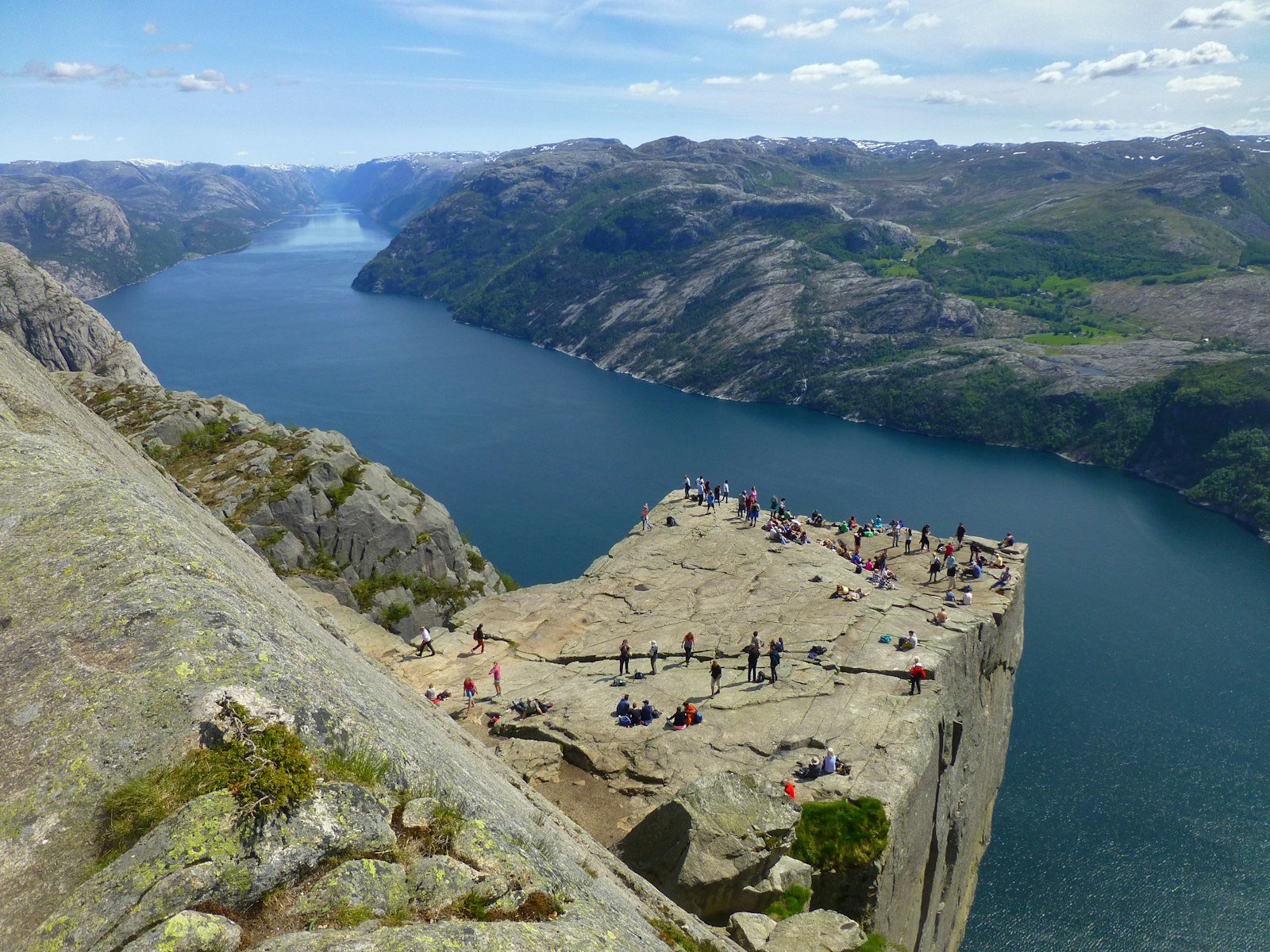
Mid-June onwards: Preikestolen (Pulpit Rock) is comfortable. Hardanger and Lofoten are at their freshest.
July: peak season
Everything is open. All shuttle buses, all DNT cabins, all parking lots. So is everyone else. Trolltunga sees 1500 hikers a day. Preikestolen sees 1000+. Book DNT cabins in advance; expect waiting times for the cliff selfies.
Weather is the most stable of the year - but stable doesn’t mean dry. The classic July week in western Norway is three sunny days, two of light rain, and one of grey. Bring rain shell anyway.
August: the sweet spot
First two weeks: peak conditions, slightly thinner crowds than July (school holidays in much of Europe end in early August). Last two weeks: noticeably fewer people, water in alpine streams drops, slightly cooler nights, no real reduction in trail condition.
This is the recommended month if you can pick freely.
September: the autumn window
The first two weeks are a small miracle: golden birch and aspen, crisp dry air, near-empty trails, and almost everything still open. The last two weeks are a gamble - the first snowfalls arrive on the high passes from mid-September north, late September south. Daylight drops fast (15 hours → 12 hours over the month).
By the final week, expect some shuttle buses to have stopped for the year.
October: the gamble
Some trails are still walkable in the first two weeks, especially in the fjord regions, but you should be ready for snow. DNT high-mountain cabins flip to winter mode (self-service, fewer staff). Most of the iconic day-hikes - Trolltunga, Kjerag, Galdhøpiggen - are unsafe without crampons, ice axe, and experience.
November - December: deep winter again
Same as January-March. Beautiful, harsh, short on daylight. For most visitors, save these months for skiing or Northern Lights, not hiking.
Trail-specific season windows
| Trail | Reliable season |
|---|---|
| Preikestolen (Pulpit Rock) | Mid-May to early October |
| Kjerag (Kjeragbolten) | June to mid-September |
| Trolltunga | Mid-June to mid-September (with guide outside) |
| Besseggen | Mid-June to late September |
| Galdhøpiggen (summer route) | Mid-June to mid-September |
| Lofoten (Reinebringen, Ryten) | Mid-May to late September |
| Hardangervidda crossings | Mid-July to late August |
| Coastal walks (Vestland, Helgeland) | Year-round, best May-September |
Walking outside these windows is possible but requires winter mountaineering skills, the right kit, or a registered guide. We don’t list winter routes here unless we’ve walked them.
Common questions
Is the midnight sun useful for hiking?
If you’re north of the Arctic Circle in June or July, the sun does not set. You can start a long traverse at 11 pm and finish in full daylight at 4 am
- and many do, to avoid weather windows or summer mosquitoes.
Will I beat the crowds in early June?
Yes - but at the cost of trail uncertainty. Trolltunga’s official “open” date varies year to year and is set after a snow assessment. Check trolltunga.com before booking flights.
Are mosquitoes really that bad?
In the lowland forests and around lakes, yes - late June to early August. On exposed ridges and coastal trails, almost never. Carry a head net for inland routes.
What about rain?
It rains. It will rain on you. Western Norway gets 200+ rainy days a year in places. A good rain shell is non-negotiable; trying to dodge rain by picking dates is a losing game.
Source: Norwegian Meteorological Institute (yr.no), DNT cabin opening tables, and trail authority notices.
Keep reading
- Preikestolen — when Norway’s most popular cliff is actually open
- Allemannsretten — wild-camping rules across the seasons
- DNT cabin system — which cabins close in winter and which switch to self-service mode
- Hiking in Norway: the complete guide — the hub for every Norway article on this site