Planning · Norway
Norway hiking packing list - what to bring for summer day-hikes and multi-days
A complete hiking packing list for Norway - what to bring on a hike in summer. What changes for fjord day-hikes vs Hardangervidda traverses, what to skip, and what Norwegian conditions demand.
Published May 8, 2026 · Last updated May 8, 2026 · researched
Norway is wetter than you think and colder than the maps suggest. A pack that works in the Alps will leave you damp and mildly hypothermic on Hardangervidda. The list below is what we’d actually bring - built around the two patterns most visitors fall into: a fjord day-hike (Preikestolen, Kjerag, Reinebringen) or a multi-day traverse (Hardangervidda, Lofoten Trail, Besseggen-plus).
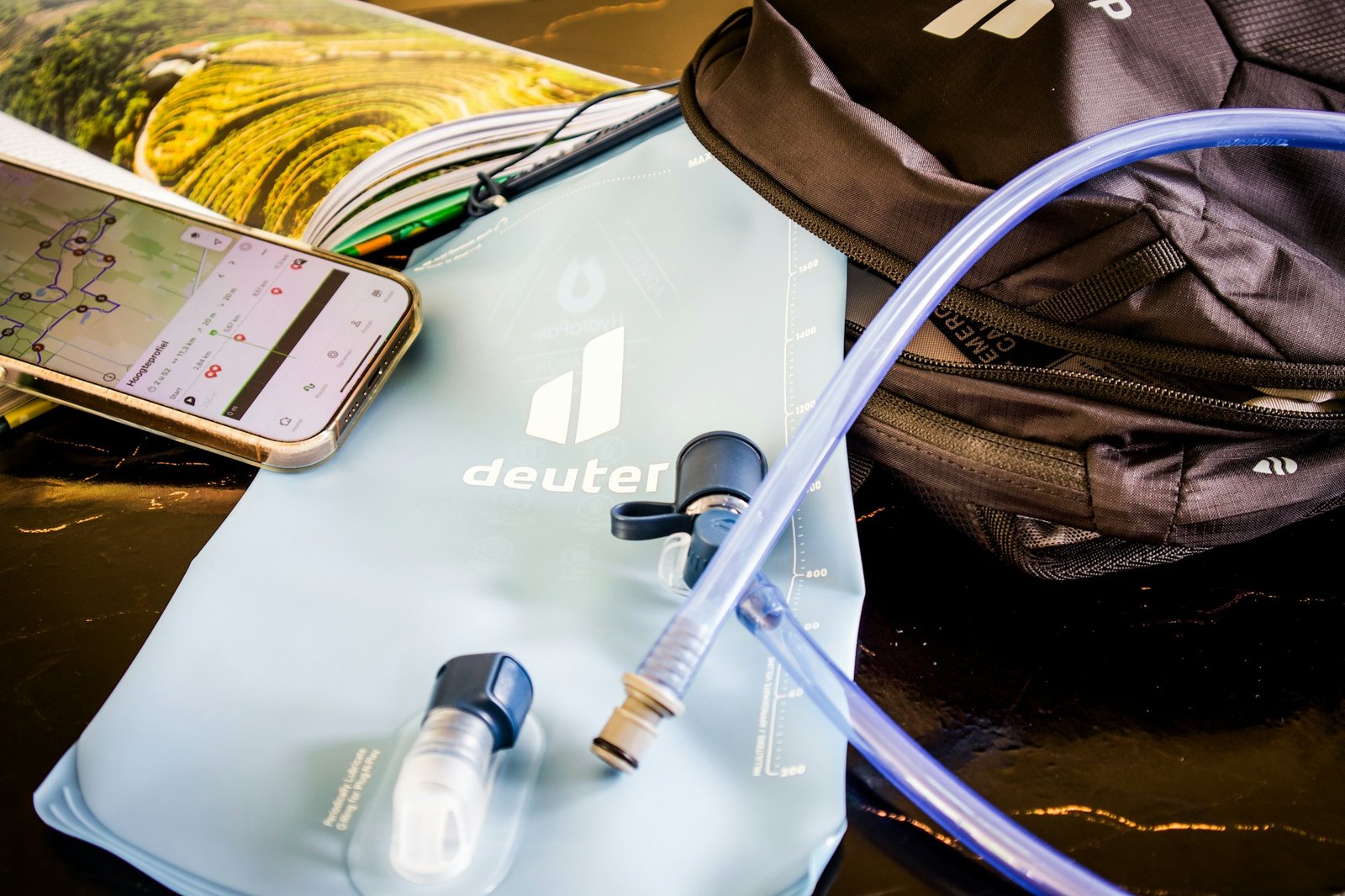
Skip the lifestyle-influencer kit. Bring these.
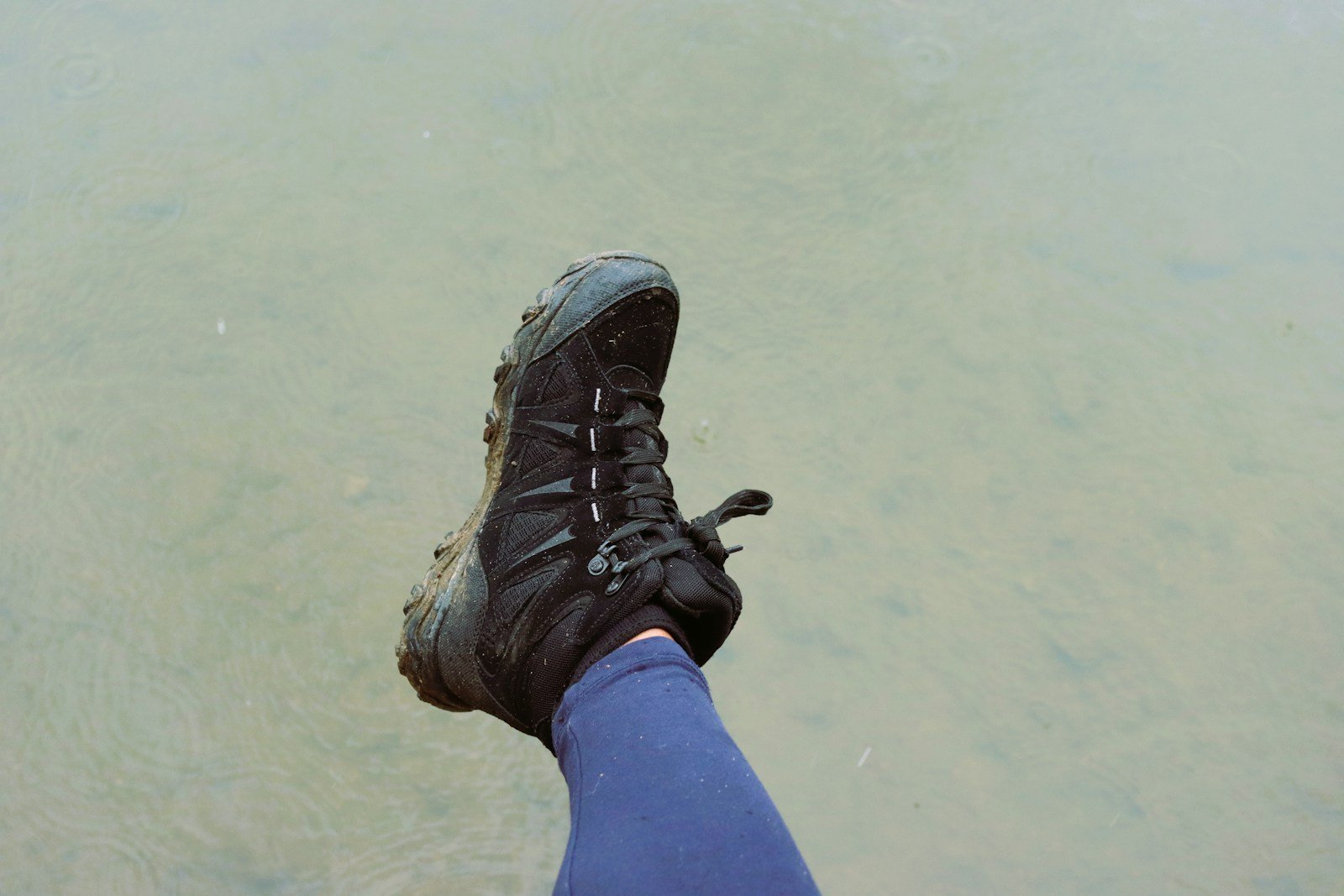
Photo: Jussara Paulo on Unsplash.
Pattern 1 - fjord day-hike
For an 8-14 km day on a famous trail, returning to your accommodation that evening:
On you (worn)
- Boots with ankle support - sticky rubber sole essential, granite gets wet half the time
- Wool or synthetic baselayer (no cotton - cotton kills people in Norway)
- Synthetic or merino mid-layer (light fleece or thin grid layer)
- Hiking trousers (synthetic, fast-drying)
- Wool socks (Smartwool/Norrøna/Devold all fine)
In the pack (8-15 L)
| Item | Why |
|---|---|
| Rain shell (real one - see our rain shells guide) | It will rain. Plan around it. |
| Insulated jacket (light down or synthetic, 200-400 g) | Summit and breaks |
| Beanie + light gloves | Even in July, exposed ridges hit 0 °C |
| Trekking poles | Save knees on descents |
| Water - 1.5-2 L | Streams unreliable on Preikestolen, fine on Kjerag |
| Lunch + 2 snacks | Cafe-equivalent calories - hardtack + cheese + chocolate works |
| Headlamp (small) | If you start late or the descent runs long |
| Phone + portable charger | Signal patchy in valleys; charge before |
| Small first-aid pouch | See our first-aid guide |
| Printed map (paper, not just Maps app) | Phones die; the trail is marked but fog happens |
| Sunglasses + sunscreen | UV reflection off snow patches and water |
What to skip
- Cotton anything - t-shirts, jeans, hoodies. Wet cotton is a hypothermia risk.
- Heavy 70 L pack - overkill, weighs you down
- Sleeping bag - you’re back in a bed tonight
- Stove + fuel - you’re not cooking on the trail
- Crampons / ice axe - only relevant outside summer season
- Tent - see above
Pattern 2 - multi-day traverse
For 4-8 days between huts or camps, carrying everything:
On you (worn) - same as day-hike, plus
- Spare underwear and socks in a dry bag - change at camp, not on trail
- Watch with altimeter or compass-app on phone - useful in fog above tree line
In the pack (50-65 L)
| Item | Why |
|---|---|
| Pack 50-65 L | Enough for 5 days of food + sleep system |
| Sleeping bag (rated to expected nighttime temp + 5 °C buffer) | Even July nights hit freezing at altitude |
| Sleeping bag liner | Mandatory at DNT cabins. Adds warmth in tents. |
| Inflatable sleeping pad (R-value 3.5+) | Bog and rock are cold |
| Tent or bivy (if camping) | A 1-2 person 3-season tent rated for 50+ km/h wind |
| Stove + fuel canister | Even at DNT cabins, occasional cooking helps |
| Pot, mug, spoon | Lightweight titanium or aluminum |
| 5 days of trail food (or less if cabin food on route) | 2,500-3,500 cal/day target |
| Water filter or treatment tablets | Streams generally clean above villages, but… |
| Power bank (10000 mAh) | Phones drain fast in cold |
| Larger first-aid kit | Tweezers, athletic tape, blister kit, water-tight |
| Rain shell + rain trousers | Multi-day weather = need both |
| Down jacket (300-500 g) | Camp warmth |
| Light camp shoes (Crocs or sandals) | Boots off at camp = morale |
| Repair kit (duct tape strip, needle + thread, spare buckle, super-glue) | For when something fails 30 km from a road |
| Maps (paper, all sheets covering route) | Multi-sheet for traverses |
| Compass (real one, not an app) | The plateau eats GPS signals |
| Headlamp + spare batteries | Critical |
| Toiletry kit (toothbrush, paste, sunblock, lip balm, biodegradable soap) | Minimal |
| Quick-dry travel towel | Useful, optional |
| Trekking poles | Mandatory on Norwegian terrain |
Optional but worth considering
- Bear spray - not needed (Norway has very few bears, all in remote eastern forests; almost no encounters on trails)
- Personal locator beacon (PLB) - yes if you’re solo or going off-route in Hardangervidda or further north
- Mosquito head net - yes for inland forest camping June-August
- Gaiters - yes for Hardangervidda crossings, no for fjord trails
What changes by region
| Region | Add | Skip |
|---|---|---|
| Western fjords | Extra rain shell layer, microspikes if shoulder season | Mosquito net |
| Hardangervidda | Gaiters, bigger first-aid, paper map both sheets | Many luxuries |
| Jotunheimen | Hat with brim, sunglasses, glacier glasses if Galdhøpiggen via Juvasshytta | Heavy rain layer |
| Lofoten | Wind layer, hat for sun (midnight sun gets you), good sunglasses | Insulated jacket can be lighter |
| Far north (Finnmark) | Mosquito gear, satellite messenger | - |
Common questions
Boots vs trail runners?
Boots win in Norway. The trails are wetter, rockier, and more variable than central-European trails. Trail runners work for 1-day fast packers; boots work for everything.
Down vs synthetic insulation?
Down for dry weather, synthetic for wet. Norway is wet enough that synthetic is the safer default. If down, get one with a water-resistant treatment.
Do I need waterproof trousers?
For day-hikes: probably not - rain shell + hiking trousers handles most. For multi-day: yes - at some point you’ll hit horizontal rain.
Is gas/fuel available in Norway?
Yes. Most large outdoor shops (XXL, Sport 1, Intersport) carry isobutane canisters. Some petrol stations near trailheads stock them. Don’t fly with fuel - buy on arrival.
How heavy should my multi-day pack be?
For a 5-day Norwegian traverse with cabin food on route, 12-15 kg loaded. With full self-catering, 16-20 kg. Above 20 kg, you’re carrying too much.
What if I forget something?
Bergen and Oslo have full outdoor gear shops near central stations. Stavanger has decent options. Smaller towns (Odda, Åndalsnes) have basic gear shops with Norwegian-priced markup. Don’t rely on them for a critical item.
Keep reading
- Rain shells for hiking - picking the one piece you must get right
- Sleeping bag liners - mandatory at DNT cabins
- The best time to hike in Norway - when packing changes
- Hiking in Norway: the complete guide - the hub