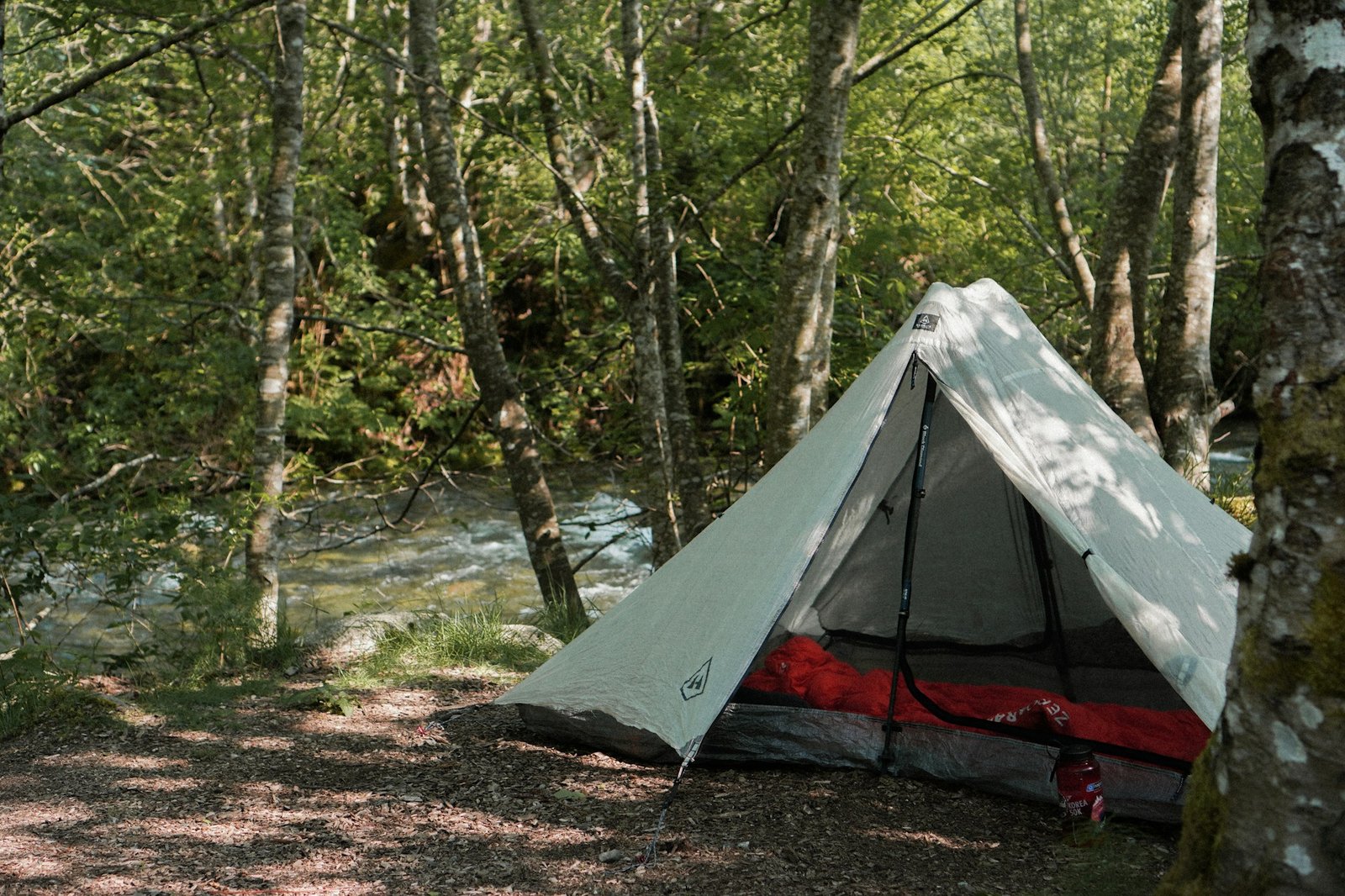
Sleep system
Sleeping Bag Liner Guide - Types, Weight, and Which to Buy
Complete sleeping bag liner guide: silk sleeping bag liner vs fleece vs cotton vs thermolite compared by warmth, weight, and packability. Why DNT cabins require one and what to avoid.
Published May 7, 2026 · Last updated May 7, 2026
Every DNT cabin in Norway requires a sleeping bag liner. This is the one piece of kit you cannot rent on arrival, cannot improvise from a bedsheet, and cannot share with the next person. Buy one before your first hut night.
Most people buy the wrong one. Here is what the four types actually do, what they weigh, what they cost, and the one that is worth carrying for any kind of multi-day trip.
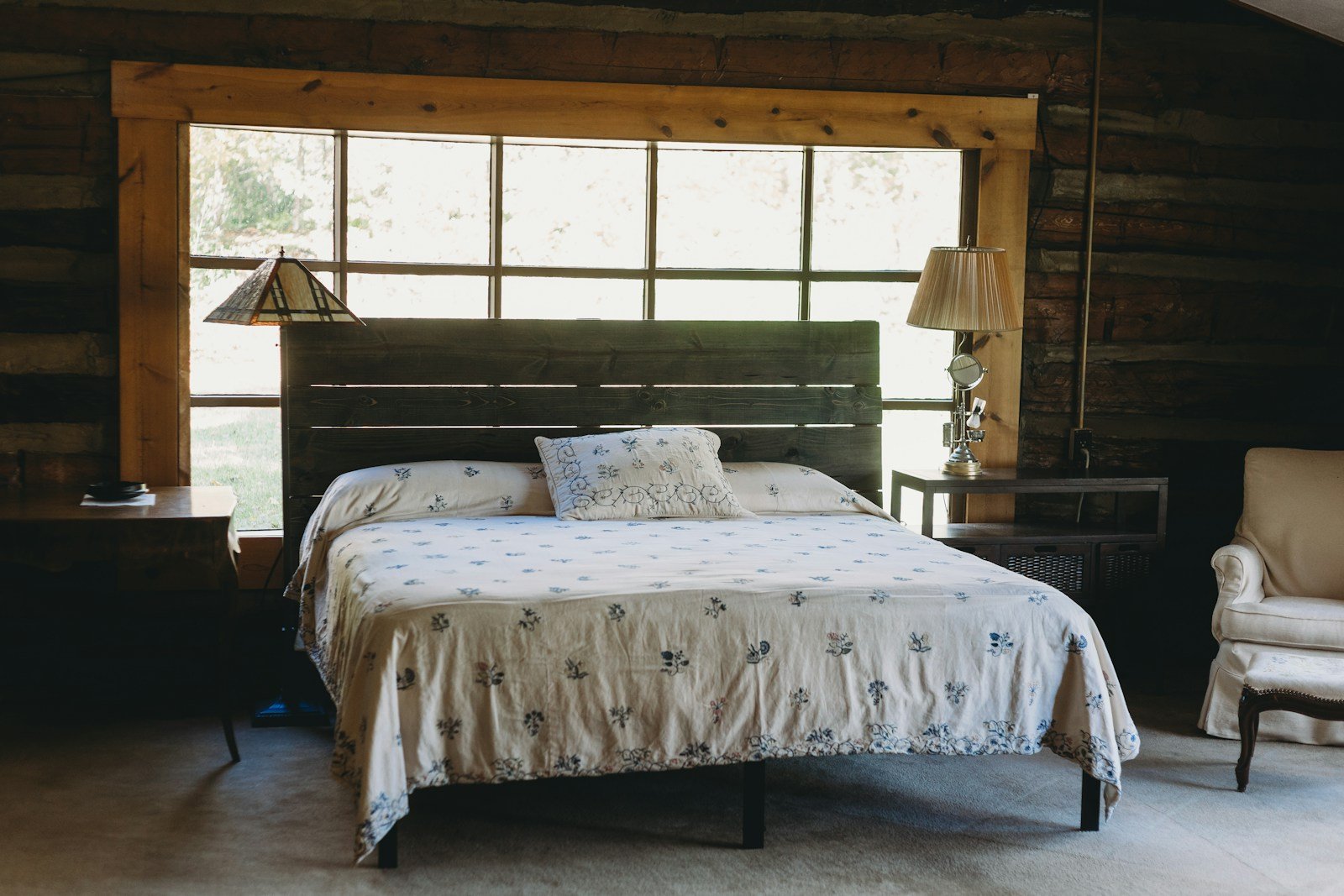
Photo: Steven Van Elk on Unsplash.
Why DNT requires a liner
The DNT cabin system supplies duvets and pillows on every bed. You provide the layer between you and them. This keeps the cabin bedding clean for thousands of guests per year and survives a system that has no laundry between most users.
Liner = mandatory. No liner = you sleep on the floor or pay extra for an emergency liner from the cabin’s stash (around 200 NOK).
Beyond cabins, a liner adds 5-10 °C of warmth to a sleeping bag, which is its other reason for existing.
The four types
1. Cotton (traditional)
| Spec | Typical value |
|---|---|
| Weight | 350-500 g |
| Pack size | Large |
| Warmth added | 2-4 °C |
| Price | $20-40 |
| Care | Machine washable |
The cheap default. Heavy, bulky, and useless when wet - but cool against the skin in summer, soft on Day 5 of a trip when everything else has stopped being soft.
Get this if: You only do cabin nights, never carry it far.
2. Silk (or silk blend)
| Spec | Typical value |
|---|---|
| Weight | 100-150 g |
| Pack size | Fist-sized |
| Warmth added | 2-4 °C |
| Price | $50-100 |
| Care | Hand-wash, gentle |
The classic ultralight choice. Packs to nothing, weighs nothing, regulates temperature better than synthetic. The downside: silk is fragile - five years of regular use and most liners will have a hole somewhere.
Get this if: Multi-day hiker carrying everything, willing to baby the gear.
3. Coolmax / synthetic
| Spec | Typical value |
|---|---|
| Weight | 200-280 g |
| Pack size | Larger than silk, smaller than cotton |
| Warmth added | 2-3 °C |
| Price | $30-60 |
| Care | Machine washable, durable |
The middle ground. Wicks moisture better than cotton or silk - useful in hot summer cabins or sweaty stages of a thru-hike. Less premium-feeling than silk but more durable.
Get this if: You sweat a lot at night, or want one liner for cabins and warm-weather camping.
4. Insulated (Reactor / Thermolite)
| Spec | Typical value |
|---|---|
| Weight | 250-400 g |
| Pack size | Larger |
| Warmth added | 8-14 °C |
| Price | $60-100 |
| Care | Machine washable |
Different category. These add real warmth - Sea to Summit’s “Reactor Extreme” claims +14 °C. That turns a 0 °C-rated bag into a -10 °C bag, or lets you carry a much lighter bag for the same conditions.
Get this if: You want to push your sleeping bag into colder conditions, or you sleep cold.
Recommendation
For DNT cabin nights only: silk. The 100 g you carry is irrelevant; the moments it pays off are the cabin nights when you’re tired and the duvet is heavier than expected.
For multi-day hikes carrying full kit: silk for warm trips (June-August in southern Norway), insulated Reactor for shoulder-season trips (September, May).
For year-round one-liner: Coolmax synthetic. Compromise on warmth and weight, win on durability.
What the marketing leaves out
”Mummy-shaped” vs rectangular
Mummy liners follow the shape of a mummy sleeping bag. They are warmer (less air to heat) but more constricting. If you sleep on your stomach or side, get rectangular - the sleep quality matters more than the 30 g of saved weight.
”Antibacterial” claims
Most liners now claim antibacterial treatment. The treatment lasts 20-50 washes. After that, you have a regular liner with marketing on the tag. Real-world: wash your liner regularly with mild detergent and it stays clean.
Hood vs no hood
Hooded liners add 30-50 g and cover your head. Useful in winter; pointless in summer cabins where the duvet handles head warmth. Skip unless you specifically sleep cold.
How to use it (the small things)
- Get in the bag from the foot, not the top. Tearing happens at the seams when you wrestle the liner over your shoulders.
- Inside-out for storage. Sweat goes on the outside; the inside stays dry against your skin next time.
- Wash every 5-7 nights. Wash water reveals what 7 nights of sleeping in a closed pouch has produced. You don’t want to know but you do want to wash.
- Repair small holes immediately. A 1 cm hole in silk becomes 10 cm in a single wrestling session.
Common questions
Can I use a duvet cover from home?
Technically yes, practically no - they’re heavy, oversized, and don’t pack well. Stick with a purpose-made liner.
Do I need one if I have my own sleeping bag?
In DNT cabins, yes - the cabins use shared duvets, not “your bag in their bed.” Even with your own bag inside the duvet, the rule is the same.
Can two people share a double-width liner?
Yes - they exist (Sea to Summit Premium, Cocoon TravelSheet) and weigh about 1.5x the single. Useful for couples doing cabin trips together.
Will it actually add 14 °C of warmth?
The Reactor Extreme claim is measured against a baseline; in real conditions, expect 8-11 °C of effective warmth in still air, less in a draft. Still a meaningful upgrade.
Keep reading
- DNT cabin system - why every cabin needs a liner
- The best time to hike in Norway - temperature ranges by season
- Rain shells for hiking - the other piece of kit you can’t fake
- Hiking in Norway: the complete guide - the hub