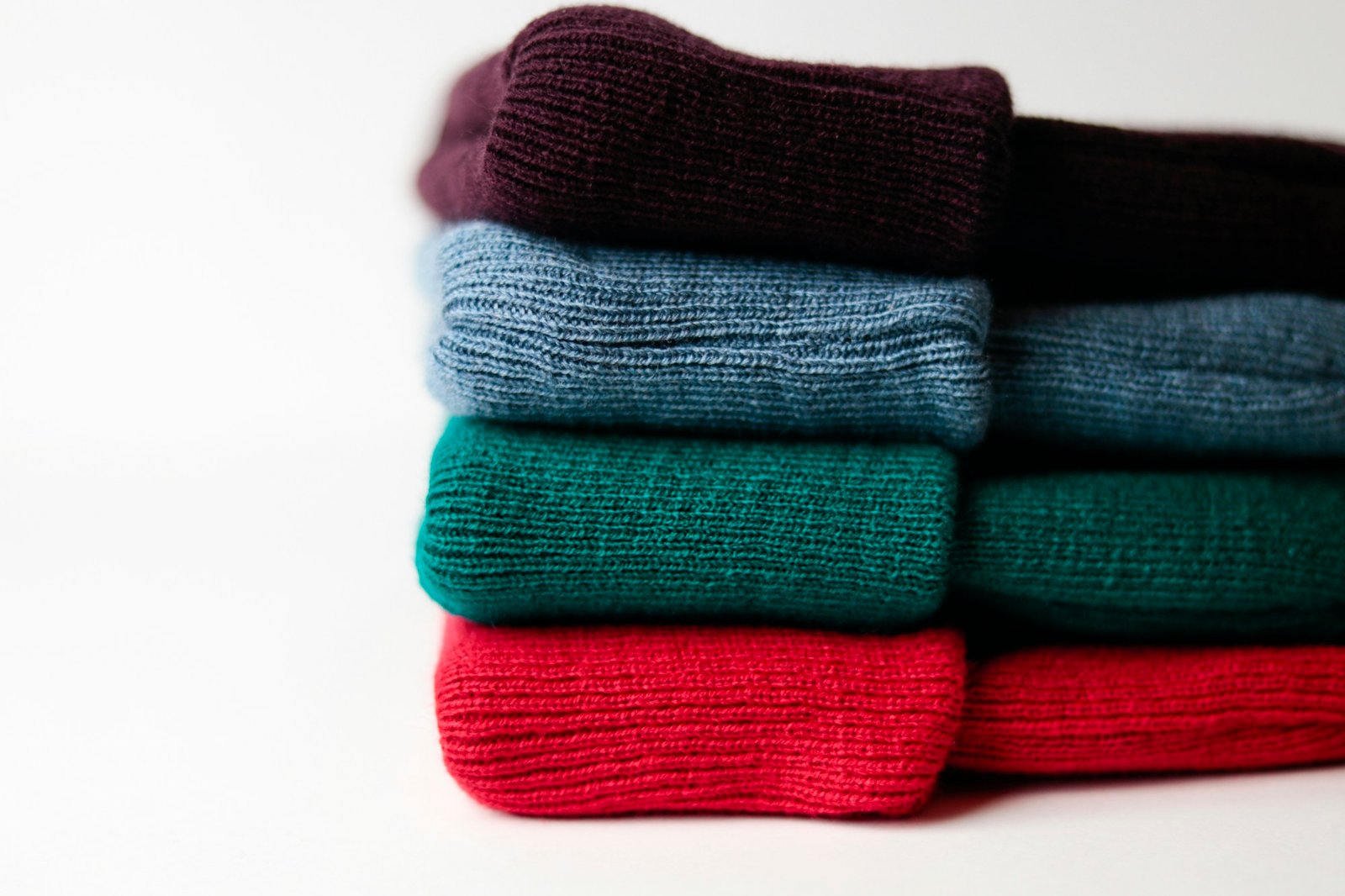
Clothing
Merino Wool Base Layer Guide - Weight, Fit, and When It's Worth It
Merino wool base layer for hiking: fabric weights (150/200/260) explained, merino vs synthetic, and how to layer it for cold and shoulder-season trips.
Published June 7, 2026 · Last updated June 7, 2026
The base layer is the only clothing that touches you all day. Get it wrong and every other layer is fighting the sweat trapped underneath. A merino base layer does one job well - move moisture off the skin and stay warm even when damp - and one job badly - survive being scrubbed and stuffed for years. Knowing which weight to buy is most of the decision.
This page is the weights, the blends, and when merino actually beats a synthetic.
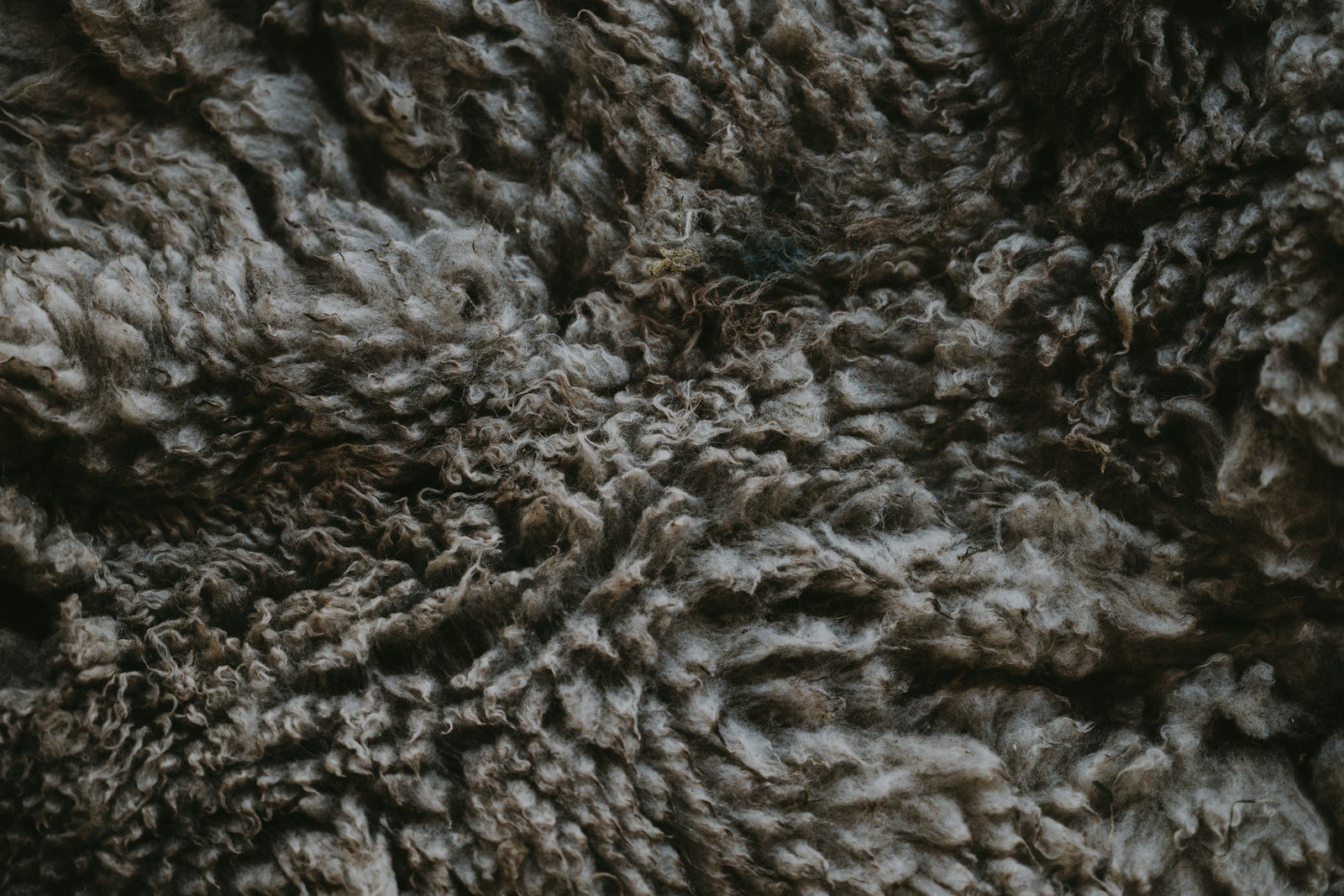
Photo: Annie Spratt on Unsplash.
Why merino on the skin
A base layer’s job is to keep the skin dry and warm. Merino does it differently from synthetic:
- Warm when damp. Merino holds warmth even with sweat in the fibre, so a stop at a cold viewpoint isn’t a shivering one. Wet cotton, by contrast, pulls heat out of you.
- Odour resistance. Merino survives 3-5 days of hard hiking before it smells - the reason it’s the multi-day and travel default. A synthetic base layer can be offensive by the end of day one.
- Temperature regulation. Breathable enough that the same weight works across a wider range than synthetic, which tends to run hot.
The cost is durability and price: merino wears thin at high-friction spots and costs more. Blends fix the first, not the second.
The weight number (the one that matters)
Merino is sold by fabric weight in grams per square metre. This is the spec to buy on:
| Weight | Feel | Use for |
|---|---|---|
| 120-150 g/m² | Light, almost summer-weight | Warm-weather hiking, high-output effort, next-to-skin in heat |
| 190-200 g/m² | The all-rounder | Three-season hiking, the one to own if you own one |
| 250-260 g/m² | Thick, warm | Cold weather, winter, low-output or stop-start days |
The common mistake: buying 260 g for general hiking. Too warm for moving uphill, so you sweat into it, then it can’t dry, and you’re cold at the top. For active hiking, 150-200 g is the range - you want the base layer to move sweat, not to be the warm layer. Warmth comes from the mid layer.
Blend, fit, and construction
- Blend: pure 100% merino is softest and warmest but wears through; a blend with a little nylon (around 85/15) lasts far longer for a tiny comfort cost. For a base layer you’ll wear hard, the blend is worth it.
- Fit: snug, not tight. A base layer works by sitting against the skin to wick - a baggy one traps air and sweat and does neither job. Athletic, close fit.
- Seams: flat-lock or offset shoulder seams so a pack strap doesn’t rub a seam into your shoulder over a long day.
- Weave: plain knit for warmth, mesh/waffle for high-output breathability. Most people want plain knit.
How it sits in the layering system
Base layer (skin) → mid layer (warmth) → shell (weather). The base moves sweat off you; the mid traps the warmth; the shell stops wind and rain.
- Don’t make the base layer your warm layer. That’s the mid layer’s job (fleece, light down, synthetic puffy).
- For going uphill: a light base, no mid, shell in the pack. You generate heat moving.
- For stops and summits: add the mid layer the moment you stop, before you cool down, not after.
A merino base layer pairs with a waterproof shell for the classic three-season setup.
Merino vs synthetic base layer
| Merino | Synthetic | |
|---|---|---|
| Warm when wet | Yes | Less so |
| Odour resistance | Excellent | Poor |
| Dries | Slower | Fastest |
| Durability | Lower | Higher |
| Price | Higher | Lower |
The honest split: merino for multi-day, travel, and cold where odour and warmth-when-damp matter. Synthetic for fast-drying, high-sweat day trips where you’ll wash it that night and durability beats smell. Many people own one of each.
What the marketing leaves out
“Mulesing-free” and traceability
If the ethics of the wool matter to you, look for ZQ-certified or explicitly mulesing-free merino. It’s a real distinction some brands market and others stay quiet about. Doesn’t change performance, does change sourcing.
Long sleeve vs short
For hiking, a long-sleeve base layer is more versatile - sleeves push up when warm, down when cold, and protect from sun and pack-strap rub. A short-sleeve base is a summer-only specialist.
Hole repair
Merino holes (snags, moth, friction) are cheap to fix with a needle and matching thread or a wool-specific repair patch. A €90 base layer with a 1 cm hole is worth ten minutes of repair, not replacement.
Common questions
What weight base layer for general hiking?
190-200 g/m² merino. It’s the one to buy if you buy one - warm enough for shoulder season, breathable enough to move in.
Is merino too hot for summer?
A 150 g merino base breathes well and beats a synthetic in the smell test on multi-day summer trips. For single hard day hikes in heat, a synthetic that dries faster may win.
How many base layers for a multi-day hike?
One to hike in, optionally a dry one for sleep. Merino’s odour resistance means you don’t need a fresh one per day - that’s the whole point of the fibre.
Why does my merino base layer wear out fast?
Either it’s 100% merino (low durability) or it’s rubbing in one spot (pack strap, hip belt). A nylon-blend base and flat seams under the strap line fix most of it.
Keep reading
- Merino wool socks - the same fibre, for your feet
- Waterproof hiking jacket guide - the shell over the base
- Norway hiking packing list - how the layers fit the full kit
- Hiking in Norway: the complete guide - the hub
Claude AI helped me with phrasing and proofreading in this article.