Footwear
Best Hiking Boots - How to Pick the Right One by Category
Best hiking boots by category: day hiking, multi-day, winter and budget, with the criteria that decide each, plus how to judge a boot before you buy.
Published June 7, 2026 · Last updated June 7, 2026
“Best hiking boot” is the wrong question - the right one is “best for what.” A boot that’s perfect for a loaded week in the mountains is a hot, clumsy mistake for a summer day hike, and the reverse is worse. There’s no single winner, only the winner for your terrain, load, and season.
This page sorts boots by the job. For the underlying decisions - fit, stiffness, materials - read the how to choose hiking boots guide first; this is the category shortlist built on top of it.
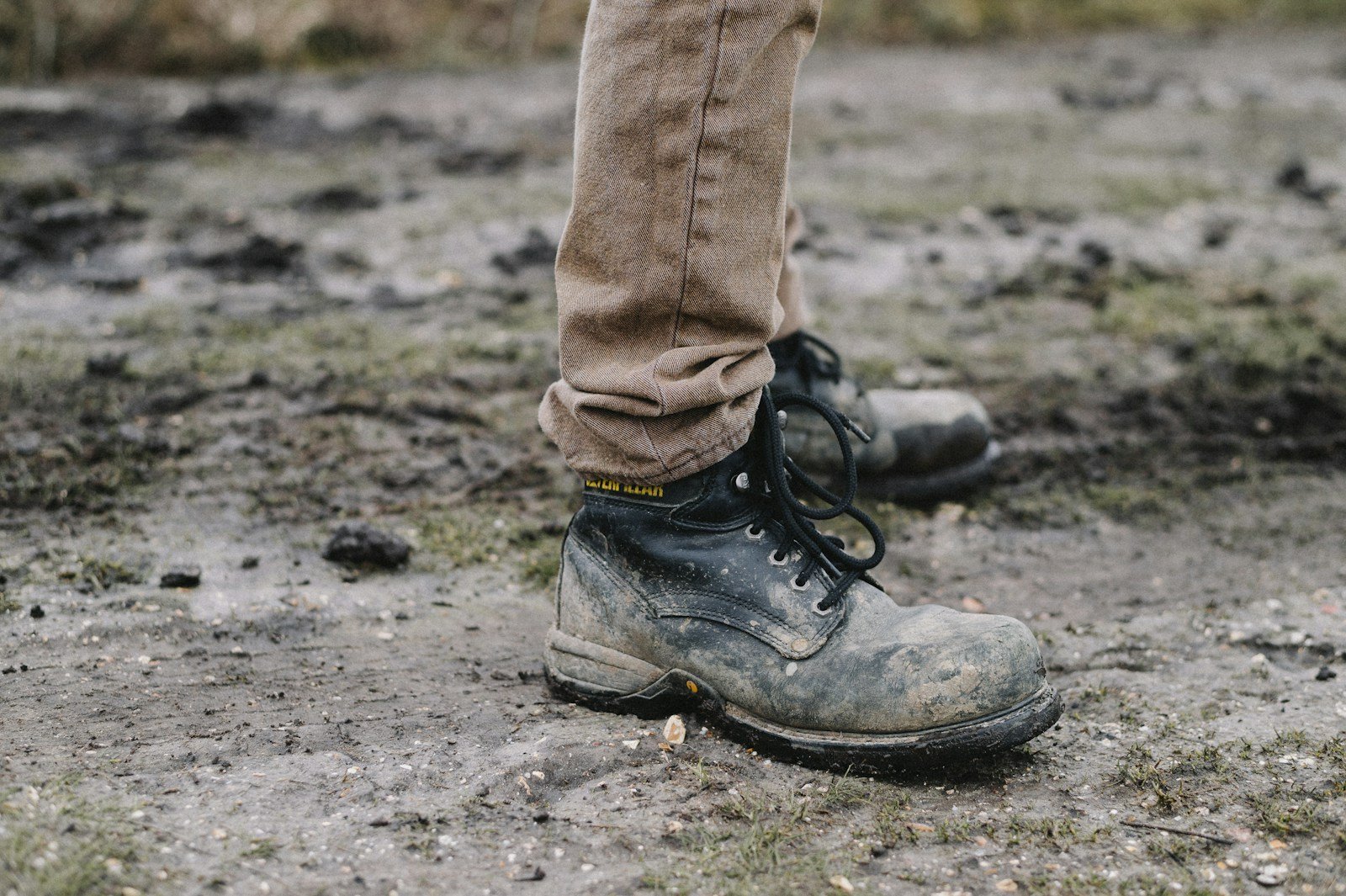
Photo: Annie Spratt on Unsplash.
How we judge a boot
Every category below is scored on the same four things:
- Fit range - does the brand offer widths, and does the last suit normal-to-wide feet rather than only narrow?
- Stiffness vs job - flexible for trail, half-stiff for multi-day, stiff for load and scree.
- Durability and resoleability - leather and a re-soleable construction last years; glued synthetic is disposable.
- Weight - the lightest boot that still does the job, because every gram is lifted thousands of times a day.
A boot wins its category by matching the job, not by topping a spec sheet.
Best for day hiking
What wins: a mid-cut, flexible-to-half-stiff boot, light, with grippy rubber and enough cushion for a few hours on hard trail. Leather-synthetic uppers hit the balance - some water resistance without the weight or break-in of full leather.
What to skip here: stiff multi-day boots. They’re tiring on easy trail and buy support you don’t need without a heavy pack. Many day hikers are better in a trail running shoe than any boot.
Best for multi-day / backpacking
What wins: a mid-to-high cut, half-stiff boot that supports a loaded foot over distance and days. Leather or leather-heavy uppers for durability; a resoleable construction so the boot survives years of trips. Enough stiffness that the sole doesn’t fold over uneven ground under a heavy pack.
The trade-off: more weight and a real break-in. Walk a new leather multi-day boot in over 30-50 km before a big trip - never straight onto the trail.
Best for winter and alpine
What wins: a stiff, insulated, fully waterproof boot, high-cut, often crampon-compatible. Warmth and a stiff sole matter more than weight when the ground is snow, ice, and frozen scree.
The trade-off: heavy and clumsy in summer. This is a second pair, not a do-everything boot. Buy it only if you genuinely hike in winter conditions.
Best budget boot
What wins: a mid-cut boot from an established outdoor brand with a real warranty, even if the upper is mostly synthetic. The honest budget rule: a decent mid-range boot that fits beats a premium boot that doesn’t, and beats a cheap no-name boot that delaminates in a season.
What to watch: glued-only soles (not resoleable) and unknown brands with no returns. A budget boot is fine; a disposable boot from a brand you can’t hold accountable is a false economy.
Best one-boot answer
If you buy one boot for general three-season hiking: a mid-cut, half-stiff, leather-synthetic, waterproof boot from a brand that offers your width. It gives up summer breathability and deep-winter warmth at the extremes, but covers day hikes through light multi-day trips. Spend the money on fit and resoleability, not the logo.
What the marketing leaves out
“Best of” lists are mostly the same ten boots
Most roundups recycle the same marquee models because they’re what brands send for review, not because nothing else is good. The boot that fits your foot and suits your terrain beats the internet’s favourite that pinches your heel. Use lists for the shortlist, the shop for the decision.
Last year’s model is often the better buy
Boot models change slowly and discount fast. Last season’s version of a current boot is frequently the same boot at a lower price. Worth checking before paying full price for the newest colourway.
Try before you commit to a model
No spec sheet survives contact with your foot. Order two sizes, or buy from a shop with a real return policy, and do the descent-ramp test. A boot is the one piece of kit where the review matters less than the fitting.
Common questions
What’s the single best hiking boot?
There isn’t one - it depends on terrain, load, and season. For general three-season hiking, a mid-cut half-stiff waterproof boot that fits your width is the safest pick. Match the boot to the job, not to a ranking.
How much should I spend on hiking boots?
Mid-range from an established brand is the value sweet spot - real durability, fit options, often resoleable. The jump to premium often buys a name and small weight savings. Don’t go below the level where the brand offers a warranty and returns.
Boots or trail shoes for beginners?
For day hiking on maintained trail, a trail shoe or low hiker is lighter, cooler, and blisters less. Start there unless you’re carrying heavy loads or going off-trail.
How do I know a boot fits before a real hike?
Heel locked, thumb’s width at the toes, no movement on the shop’s descent ramp, no hot spots after twenty minutes in-store. Then a short local walk before any big trip.
Keep reading
- How to choose hiking boots - the fit and stiffness decisions behind these picks
- Trail running shoes guide - the lighter day-hike alternative
- Merino wool socks - the fit factor that isn’t the boot
- Hiking in Norway: the complete guide - the hub
Claude AI helped me with phrasing and proofreading in this article.