Footwear
Hiking Socks Guide - Materials, Cushion, and Height Compared
Hiking socks compared: wool vs synthetic vs cotton, cushion weights and sock height by boot, plus the fit details that stop blisters before they start.
Published June 7, 2026 · Last updated June 7, 2026
The sock is where most blisters start, not the boot. A wet, bunched, or wrong-material sock rubs soft skin until it lifts - and people blame the boot. Socks are the cheapest part of the system to get right and the most often ignored. Three decisions cover it: material, cushion, and height.
This page compares all three. For the deep dive on the best material, see merino wool socks.
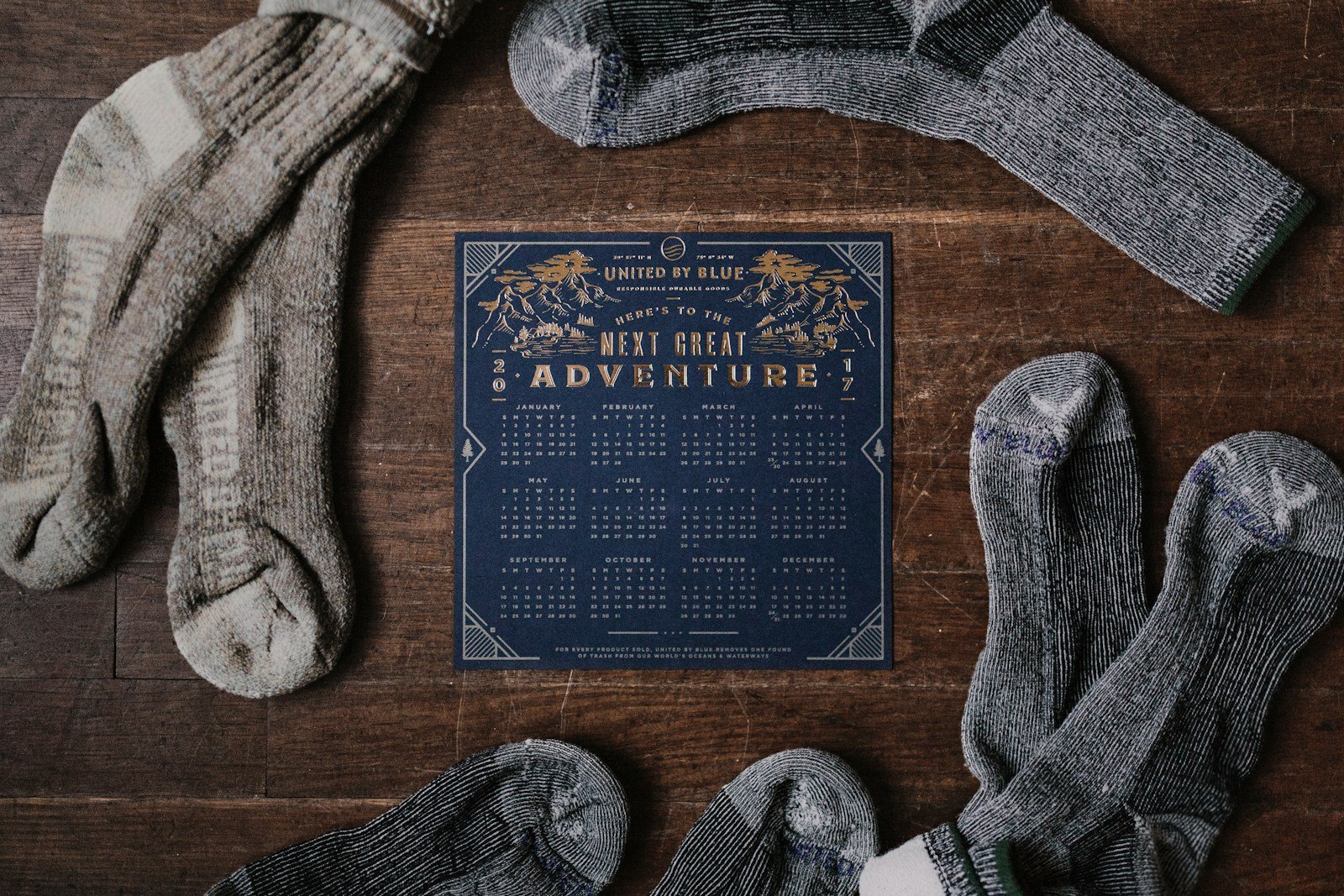
Photo: Andrew Neel on Unsplash.
Material: the one that matters most
| Material | Behaviour | Verdict |
|---|---|---|
| Cotton | Soaks up sweat, holds it on the skin, soft when wet | Avoid for hiking - this is the blister sock |
| Merino wool | Wicks moisture, resists odour, warm when damp | The default for most hiking |
| Synthetic (nylon/poly) | Dries fastest, most durable, cheapest | Good for hot, high-sweat day trips |
| Merino-synthetic blend | Merino comfort + synthetic durability | What most good hiking socks actually are |
The single biggest upgrade is leaving cotton at home. Wet cotton against skin is the mechanism behind most hiking blisters. After that, the choice between merino and synthetic is about trip length and smell - merino wins on multi-day, synthetic on fast-drying day hikes.
Cushion weight
| Weight | Cushion | Use for |
|---|---|---|
| No cushion / liner | None | Hot weather, trail running, minimalist shoes |
| Light cushion | Thin underfoot pad | Summer day hikes |
| Midweight | Heel + ball + sometimes shin | The multi-day all-rounder |
| Heavyweight | Full thick cushion | Cold weather, stiff boots, winter |
More cushion isn’t always more comfort. A thick sock crammed into a snug boot crushes the padding flat and tightens the fit, creating the pressure points it was meant to remove. Buy the boot with the sock you’ll wear, and match thickness to the room in the boot.
Height: match it to the boot
- No-show / ankle: under low trail shoes. The cuff has to clear the shoe collar or the shoe’s edge rubs your heel raw.
- Crew: the default for mid and low boots. Covers the ankle, stops the boot collar touching skin.
- Knee-high / over-calf: for tall boots, gaiters, deep snow, or tick country where covered skin matters.
The rule is simple: the sock must rise higher than the boot or shoe collar. A sock that ends right at the collar line is the classic ankle-blister setup.
Fit details that stop blisters
- Size the sock to your foot. Too big bunches under the arch; too small flattens the toe box. “Fits 38-46” is not a real size.
- Flat or seamless toe seam. A bulky toe seam sits exactly where toes hit the front on descents.
- Real elastane (2-5%). It’s what keeps the sock up and stops it sliding down to fold under the foot mid-hike.
- Reinforced heel and toe. The two spots that wear through first - reinforcement there roughly doubles sock life.
What the marketing leaves out
Two socks beat seven
Merino’s odour resistance means two pairs cover a multi-day hike: wear one, wash and dry the other. People who buy a fresh pair per day are carrying laundry they don’t need and missing the point of the fibre.
Liner socks for blister-prone feet
A thin liner under the main sock shifts the friction to between the two socks instead of between sock and skin. It works for feet that blister no matter what, at the cost of a hotter, fiddlier setup. Try it only if single socks keep failing you.
Wash before the first big hike
New socks have a stiffer hand and slightly more friction. A wash softens them and seats the cushion. Don’t debut a brand-new sock on a long descent.
Common questions
What are the best socks for hiking?
A midweight merino-synthetic blend, sized to your foot, with a flat toe seam and reinforced heel and toe. Adjust cushion for temperature and boot room.
Why do I keep getting blisters even with good boots?
Usually the sock: cotton content, wrong size, no elastane (so it bunches), or a height that ends at the boot collar. Fix the sock before blaming the boot.
Are expensive hiking socks worth it?
The construction is what costs - blend, flat seams, reinforced zones, real elastane - and it’s worth it because socks are cheap and feet are not. A €4 cotton sock can ruin a €200 boot’s day.
Do I need different socks for summer and winter?
Yes if you hike both - light cushion merino for summer, heavyweight for winter and stiff boots. One midweight pair is the compromise if you only buy one.
Keep reading
- Merino wool socks - the material deep dive
- Hiking boots: how to choose - the fit half the sock can’t fix
- Trail running shoes guide - what to pair a thin sock with
- Hiking in Norway: the complete guide - the hub
Claude AI helped me with phrasing and proofreading in this article.