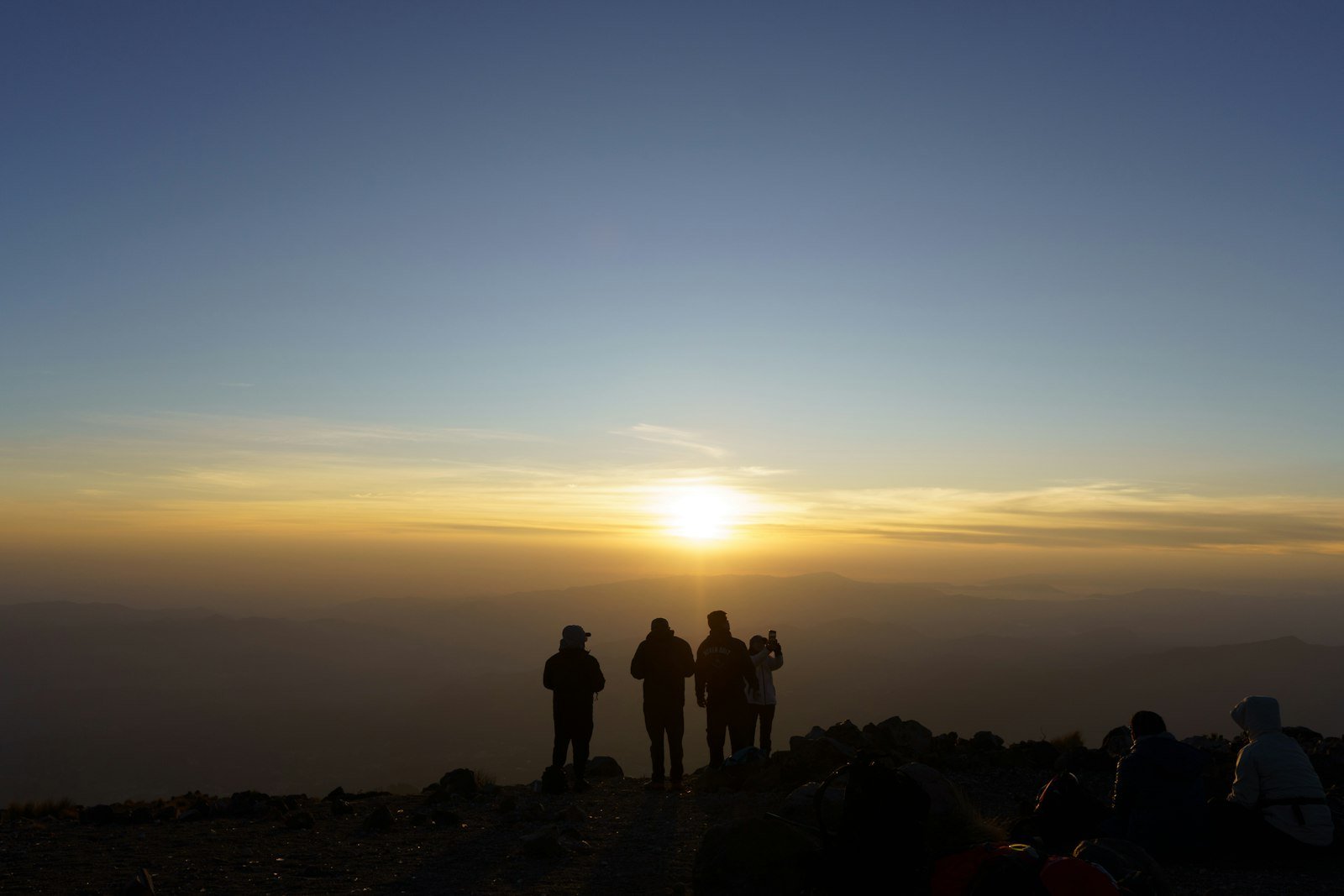
Mount Kilimanjaro, Tanzania
Climbing Kilimanjaro: My 7-Day Lemosho Route Trip Report
A first-hand account of the Lemosho route Kilimanjaro climb in 7 days - what summit night really feels like, what we would do differently, and what the guide team taught us.
By Mondohiking · May 5, 2026 · Last updated May 30, 2026
The thing nobody mentions about Kilimanjaro is the boredom.
Not the climb itself - the climb is the easiest hard thing we’ve ever done. You walk slowly. You eat what you’re given. You sleep when the porters set up the tent, you wake when the porters serve breakfast, and you do it again. Six days. The mountain teaches you to be patient by being almost-but-not-quite-difficult enough to fail at.
It’s summit night that breaks the pattern. And what nobody told us - what the operators don’t sell, the guidebooks gloss over, and what every successful summiter remembers - is that summit night is the worst night of the trip and the most important night, and you have to choose to enjoy it.
This is what it actually felt like.
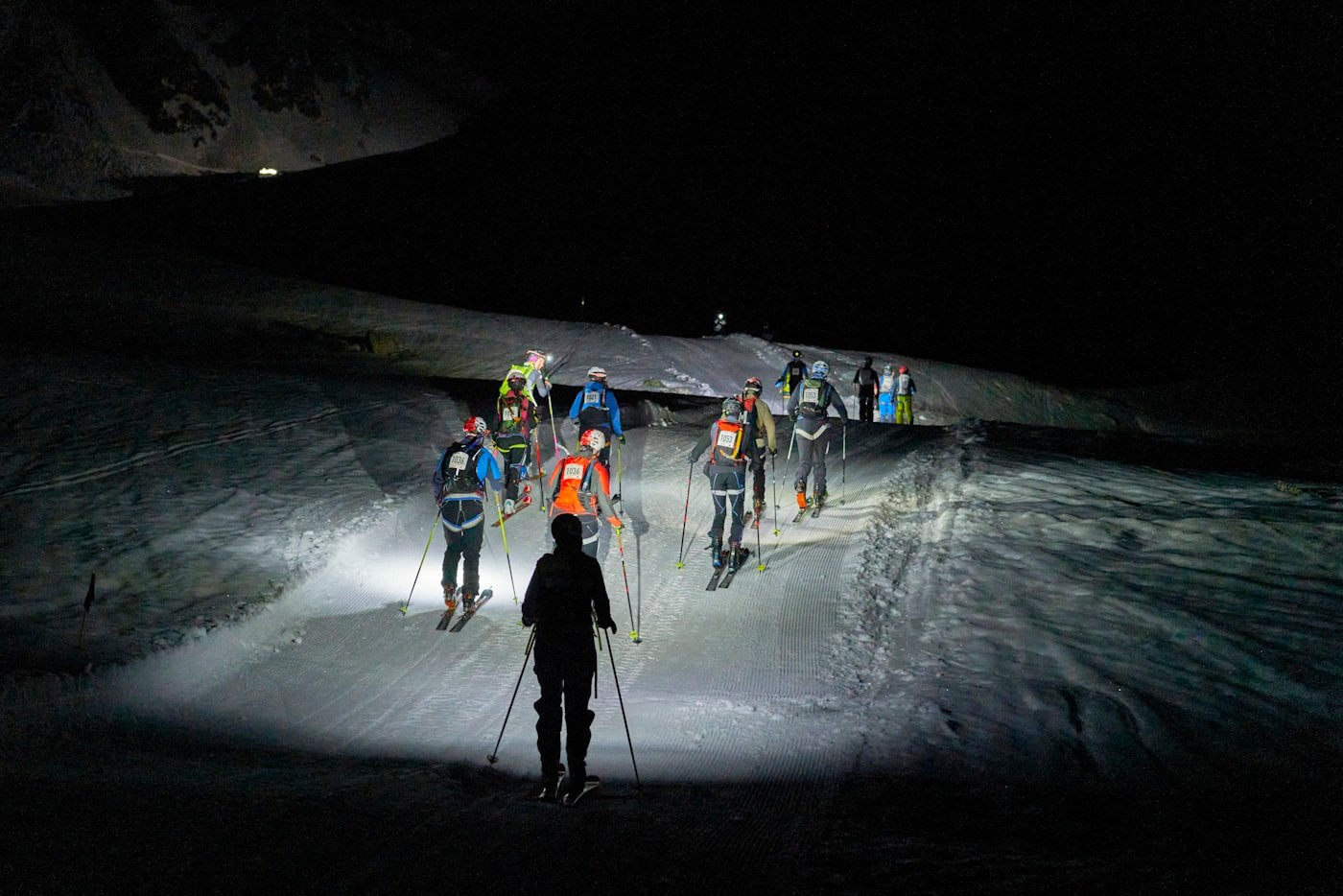
Photo: Xavier von Erlach on Unsplash.
11:00 pm at Barafu Camp
The wake-up call comes through canvas. “Karibu chai.” Welcome to tea.
You have been at 4673 metres for six hours. Sleep came in 30-minute intervals. Your head feels like the inside of a balloon. The sleeping bag - the same bag that was perfect at the lower camps - is now a degree too thin. You haven’t eaten properly since lunch yesterday. You don’t want to eat now. You make yourself drink a cup of black tea and force half a biscuit, because if you don’t, you will fail at 5500 m.
You start dressing. Three pairs of socks. Base layer, mid layer, fleece, down jacket, shell. Two hats. Liner gloves and shell mittens. Gaiters. Headlamp on, set to red. The temperature outside the tent is -10 °C. Inside the tent it’s -6.
At 11:30 pm you join your team in the cooking tent. Nobody talks. You eat a piece of bread. The lead guide, Faustin, briefs the order - slow walkers in front, faster walkers behind, the assistant guide at the back, two porters with summit packs. He says one word more than usual: “Pole, pole.” Slowly, slowly. Then he opens the tent flap and you walk out into the dark.
Midnight to 4:00 am - the scree
The first hour is sand and small rocks at a 25-degree angle. Two steps up, one step sliding back. The headlamp illuminates the four-square-metre of trail ahead and nothing else. You look down at your boots and the boots in front of you and you walk.
The lungs forget what their job is. You take a step. You inhale. You exhale. You take a step. You inhale. The brain that normally narrates the day - I should remember to call mum - has gone offline. It’s not unpleasant. It’s just empty.
Around 1 am the first vomiting starts behind you. Someone in another team. The guides ignore it; this is normal; the team will probably continue. You think about how you’d feel if it was you. You don’t think about it for very long because thinking takes oxygen.
At 2 am we stop for water. Faustin pulls his thermos from a porter’s pack and pours hot water into our drinking bottles - anything in a bladder is frozen. The water is just below scalding when it leaves the thermos. It’s room-temperature when it reaches our cold mouths.
By 3 am we have done 600 vertical metres in three and a half hours. The pace seems impossibly slow. Then you look up and see the line of headlamps switchbacking ahead - fifteen, twenty teams above us, all moving exactly the same speed, and you understand that this is the speed at which you climb at altitude. You try to walk faster. You can’t.
4:00 am - Stella Point
Stella Point is at 5752 metres. It’s the first point at which the climb stops being uphill. It’s a flat plateau on the crater rim where the wind hits 50 km/h and the altitude is 1500 m higher than anything you’ve ever stood on.
Faustin says, “Forty minutes to summit.” You sit down on a rock. He hands you another cup of hot water and a Snickers bar. You eat half of it. The other half is too cold to chew.
The sky to the east is starting to turn from black to dark navy. You can see the glacier - the Eastern Icefield - a wall of pale blue ice running off into the distance, lit by your headlamps and the first hint of dawn. Twenty other climbers are sitting on the same plateau, doing the same thing. Nobody is celebrating yet. Stella Point is a checkpoint, not a summit.
We walk on.
5:30 am - Uhuru Peak
The last 45 minutes are along the crater rim. The path is wide, the gradient is gentle, and you feel almost normal - until you realise you’ve stopped at three of the five photo signs along the way to catch your breath. The sun is rising properly now. The whole African plain is below you, 4500 metres below, lit pink.
The summit sign - the famous wooden plaque saying Congratulations, you are now at Uhuru Peak, 5895 m, Africa’s highest point - appears around a curve. There are seven people in front of it, all crying. The guides are smiling. The porters who ran the summit packs up are taking photos for everyone.
You do the thing you came to do. You stand on the highest point in Africa.
You feel:
- Tired
- Cold
- Slightly nauseous
- Profoundly happy
- Aware that you have to walk down
In that order.
Faustin gives us six minutes at the summit. He’s not being unkind. The longer we stay, the more the altitude works on us, and we have a 2200-metre descent to do before lunch. We take our photos, we hug the team, we turn around.
7:00 am - descending
The descent is faster than the climb but more painful. Your knees take the hit of the scree slope you spent four hours climbing - now you slide down it in 90 minutes. Trekking poles save knees. Trekking poles save the trip.
You arrive at Barafu Camp at around 9 am. The porters have struck most of the tents and are waiting with hot tea and fried eggs - the first real food in 14 hours. You eat three eggs. You drink two cups of tea. You sit on a rock and look up at the mountain you just climbed and you cannot quite connect the line of your eyes to the memory of your legs.
Then you pack and walk another 1500 metres downhill, to Mweka Camp, by 5 pm.
What we’d do differently
- Take the longer route up. We did the 7-day Lemosho. The 8-day Northern Circuit gives you another full day at altitude before summit night. The success rate difference is real, the cost difference is small. If we did it again, we’d add the day.
- Eat more on day 5. Appetite drops at altitude. The day before summit night, you should be force-feeding yourself calories. The fuel for summit night comes from what you ate 36 hours earlier, not what’s in your pocket.
- Train downhill, not just uphill. Most people train for Kilimanjaro by walking up things. The descent destroys quads more than the climb does. Stair-runs and trail descents in the months before pay off on day 7.
- Tip the porters in person. This is normal in Tanzania, but the moment of giving the envelope to each man - looking him in the eye and saying thank you for carrying my food and my tent and my spare boots up the mountain so that I could climb it - was something we’d missed in the trip prep. Don’t miss it.
What it feels like later
A week after we got home, sitting on a sofa, drinking coffee at sea level, the climb felt like something that had happened to a slightly different person. The lungs remembered. The legs remembered. The brain had filed it away as something between a dream and a triathlon.
A year later, what we remember most clearly is not the summit. It’s the small kindnesses of the team - the porter who handed back your dropped glove without breaking stride, the cook who learnt that you couldn’t face oatmeal and made fried potatoes instead, Faustin singing softly to himself on the descent.
You climbed Kilimanjaro. They got you there.
If you’re planning a Kilimanjaro trip, the practical version is on our Kilimanjaro trail guide - route comparison, costs, altitude science, and the gear list.
Cover photo: Kristoffer Darj on Unsplash.