Planning · Norway
Lofoten Islands Hiking vs the Western Fjords - Which to Pick
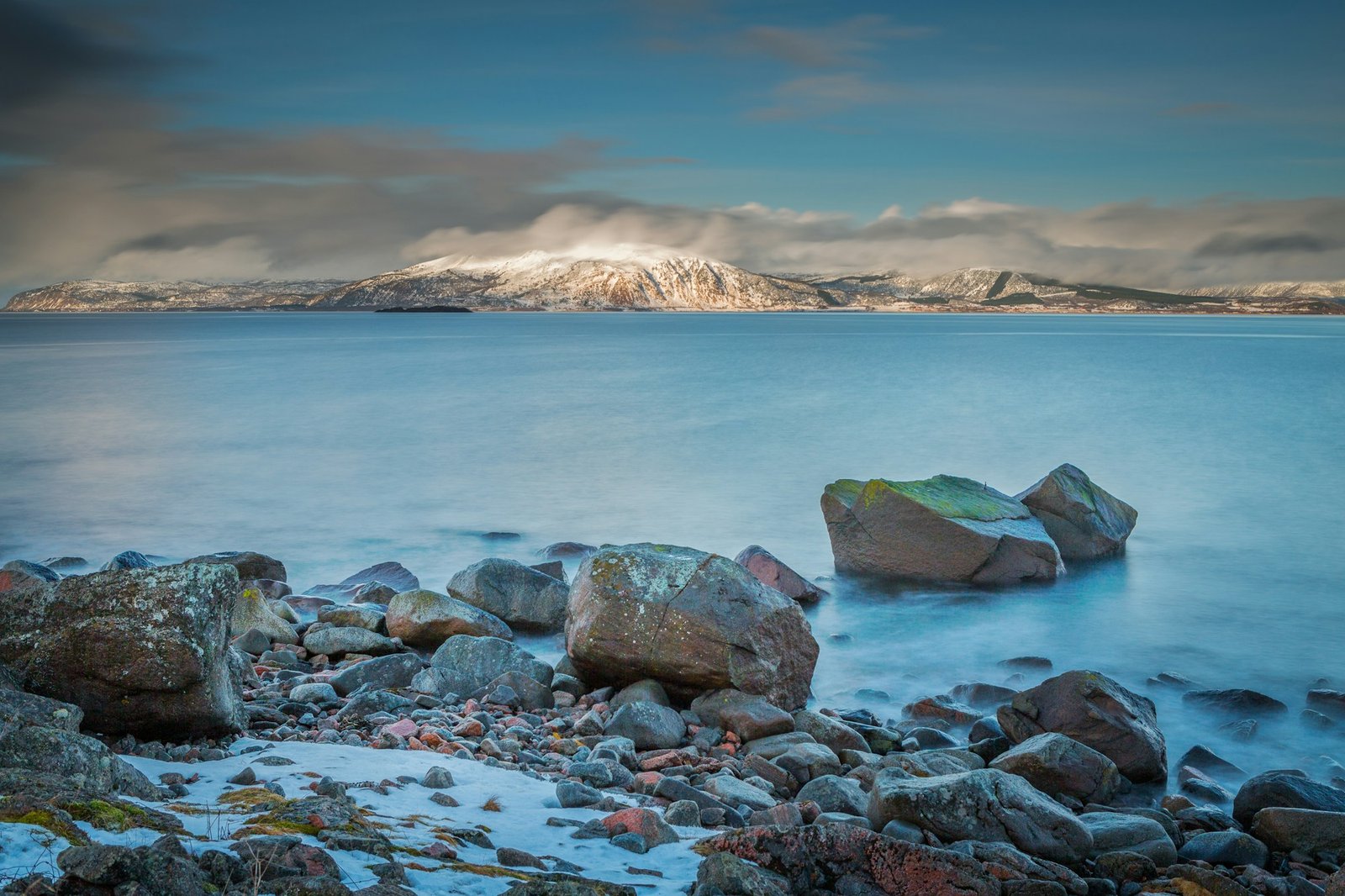
Lofoten islands hiking and Norway's western fjords are both spectacular but very different. Lofoten is sharp coastal peaks; the fjords are deep valleys. Here's how to choose between them.
Published May 8, 2026 · Last updated May 8, 2026 · researched
The choice usually comes down to this: Lofoten is sharper, wilder, further north; the fjords are bigger, more accessible, more iconic. If you have one week and want the famous postcard, go to the fjords. If you have ten days and want emptier trails, go to Lofoten. If you have two weeks, do both.
Here’s the honest comparison.
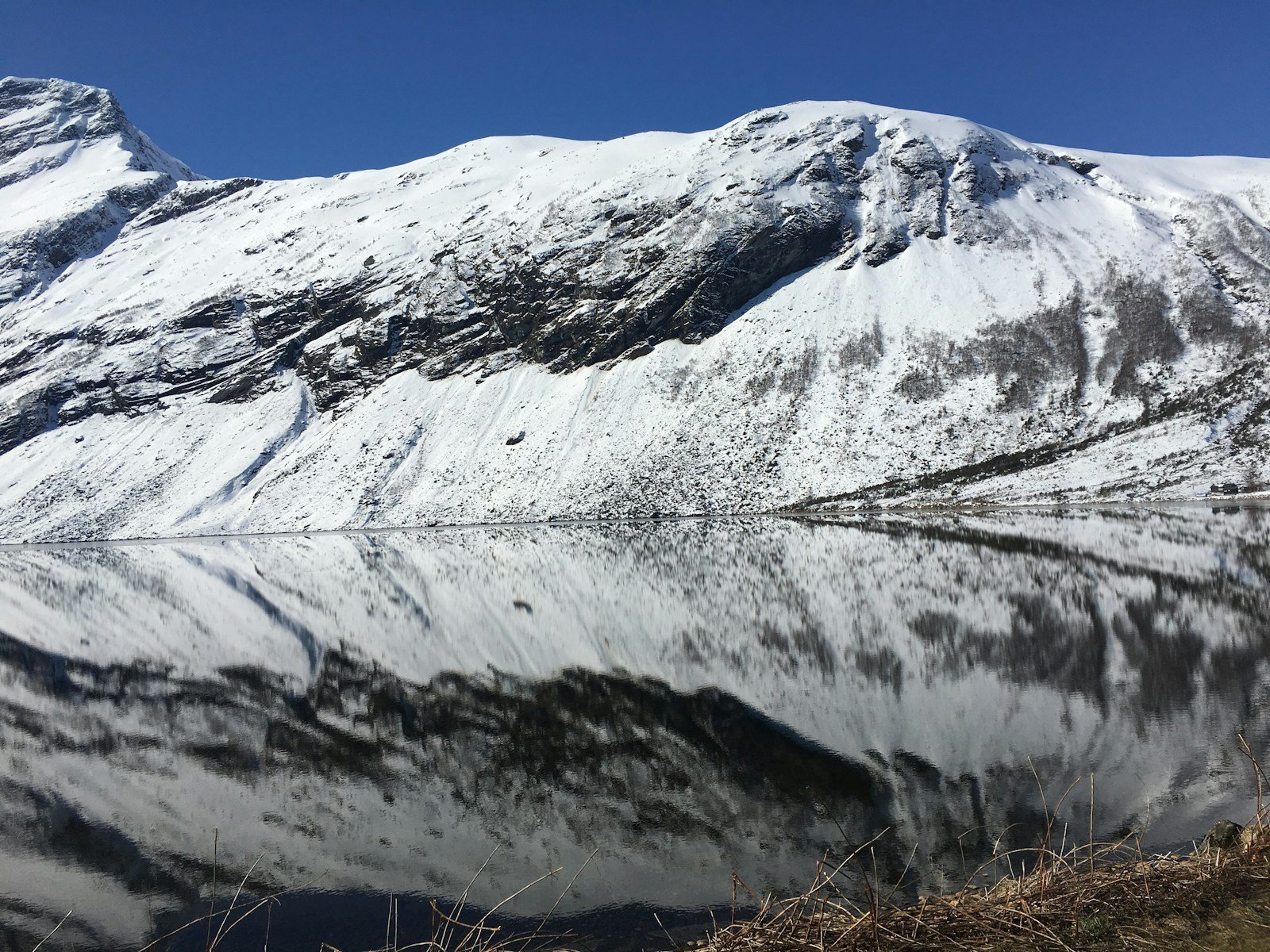
Photo: Joanna Engländer on Unsplash.
At a glance
| Lofoten | Western fjords | |
|---|---|---|
| Location | Above the Arctic Circle (68° N) | Around 60° N (south of Bergen) |
| Coastline / valleys | Coastal peaks rising from sea | Deep fjord valleys + sea cliffs |
| Iconic trails | Reinebringen, Ryten, Bunes Beach, the Lofoten Trail | Preikestolen, Trolltunga, Kjerag, Nigardsbreen |
| Crowds (July) | Significant in main villages | Heavy on the four iconic day-hikes |
| Daylight (June-July) | Midnight sun (no darkness) | 18+ hours daylight |
| Public transport | Adequate; hubs at Svolvær/Leknes | Excellent; Stavanger/Bergen as gates |
| Best season | Late May-early September | Mid-May-early October |
| What you remember | The light, the water, the silence | The cliffs and the scale |
Pick Lofoten if…
- You want trails with fewer people and don’t mind earning that with travel time. The further north you go, the lighter the foot traffic.
- The midnight sun matters to you. Late June to early July, the sun does not set above the Arctic Circle. You can start a hike at 11 pm.
- You want coastal walking - beaches and sea-edge cliffs more than waterfalls and forest valleys.
- You’re a photographer. Lofoten’s light is the reason photographers fly there.
- You’re considering a long-distance trail. The Lofoten Trail (150 km, 8 stages) is one of Europe’s better-kept secrets.
Pick the fjords if…
- You want the most iconic Norwegian hike with minimum logistics. Preikestolen and Trolltunga are both day-walks from a major city (Stavanger or Odda).
- You’re on a first trip to Norway and want classic Norwegian landscapes - green valleys, waterfalls, deep blue water, sheep farms.
- You’re traveling with kids or older walkers. The fjord trailheads have better infrastructure (cabins, restaurants, shuttle buses) and the trail-mileage is shorter than Lofoten’s spread-out routes.
- You want to combine hiking with cruise or ferry travel. The Hurtigruten and the Bergen Railway are part of the experience and reach almost every fjord trailhead.
- You’re going shoulder season (May or late September). Western fjords stay walkable longer than Lofoten.
The hybrid trip - best of both
If you have 10-14 days, the smart move is to do both:
- Days 1-4: Stavanger base - Preikestolen + Kjerag day-hikes, Lysefjord cruise.
- Days 5-7: Train Bergen → Voss → Trolltunga base, walk Trolltunga.
- Day 8: Fly Bergen → Bodø → ferry to Lofoten.
- Days 9-13: Reinebringen, Bunes Beach, Ryten, base in Reine or Henningsvær.
- Day 14: Train back via Bodø → Trondheim → Oslo (a destination on its own).
It’s expensive (Norway is expensive), but it covers both regions with minimal repeat travel. Buy SAS or Norwegian flights early - Bergen→Bodø is the bottleneck.
Cost comparison
For a week of hiking with budget accommodation:
| Lofoten | Fjords | |
|---|---|---|
| Daily food | NOK 400-700 | NOK 350-600 |
| Accommodation | NOK 800-1500 (rorbu cheaper if shared) | NOK 600-1200 (hostels + DNT cabins) |
| Transport | NOK 2000+ for week (flights, ferry) | NOK 1000-1500 (train + bus) |
| Fees | None on most trails | NOK 250 parking at Preikestolen, NOK 250 shuttle at Trolltunga |
| Per-person week (low end) | NOK 9000-13000 | NOK 7000-10000 |
Lofoten costs more mainly because of the flights to get up there and the limited competition on accommodation in the small villages.
What surprised us
Things people don’t tell you in the brochures:
- Lofoten gets crowded too - at Reinebringen, Bunes Beach, and the Hamnøy bridge. The Lofoten Trail middle stages are still empty, but the day-hike loop is now Instagram-saturated.
- The fjord drives are part of the hike. The road to Lysebotn (for Kjerag) has 27 hairpins and a 20% gradient. The road to Geiranger is a tourist attraction in itself. Allow time for them.
- Weather is regional, not predictable. Lofoten can be in fog while the fjords have sun, or the reverse, on the same day. Don’t plan a multi-region trip around forecasted weather - both regions can flip in 24 hours.
- Public transport gets you almost everywhere in the fjords. In Lofoten, a rental car is genuinely useful; the bus network exists but runs infrequently outside summer.
Common questions
Which has better photography?
Lofoten if you have time and patience for the light. The fjords if you want one strong image per day with less effort.
Which is harder?
Lofoten’s day-hikes are mostly steeper per kilometre (Reinebringen, Festvågtinden). The fjord day-hikes are longer with gentler gradients (Trolltunga, Kjerag). Both have one or two sections that demand confidence on rock.
Which is better for vegetarians?
The fjords. More tourist infrastructure means more vegetarian options. Lofoten is fish-and-meat country and dietary requirements need calling ahead.
Can you do either with a baby/toddler?
Both have low-key options (forest walks, beach walks). Neither’s iconic trails are appropriate. Reine and Henningsvær villages are pleasant family bases; Geiranger and Flåm are the equivalents in the fjords.
Keep reading
- The best time to hike in Norway - when each region peaks
- Reinebringen - the day-walk that defines Lofoten visually
- Preikestolen - the day-walk that defines the fjords
- Hiking in Norway: the complete guide - the hub