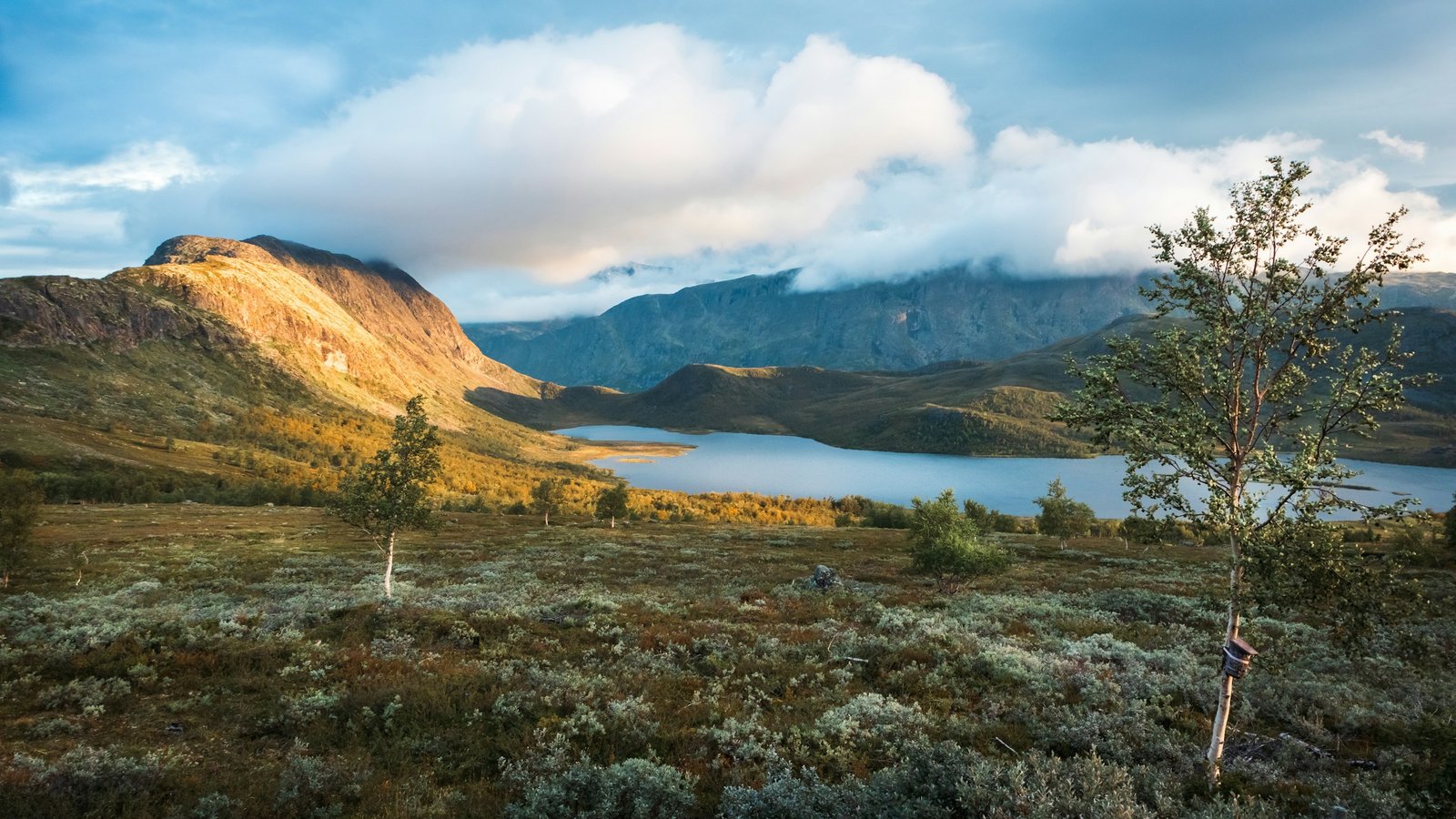
Planning · Jotunheimen
Jotunheimen National Park - Hiking the Home of the Giants
Jotunheimen national park hiking guide: Norway's highest peaks, the Besseggen ridge, hut-to-hut routes and when to go, plus how to plan a first trip.
Published June 7, 2026 · Last updated June 7, 2026 · researched
Jotunheimen means “home of the giants,” and the name is literal. Norway’s two highest mountains stand here, the country’s most famous ridge walk runs along one of its lakes, and the hut network lets you cross the whole range bed to bed without a tent. If you hike one area in Norway, this is the one most people pick - and for good reason.
This is the overview: what’s here, when to go, and how to plan a first trip. Each headline hike has its own page linked below.
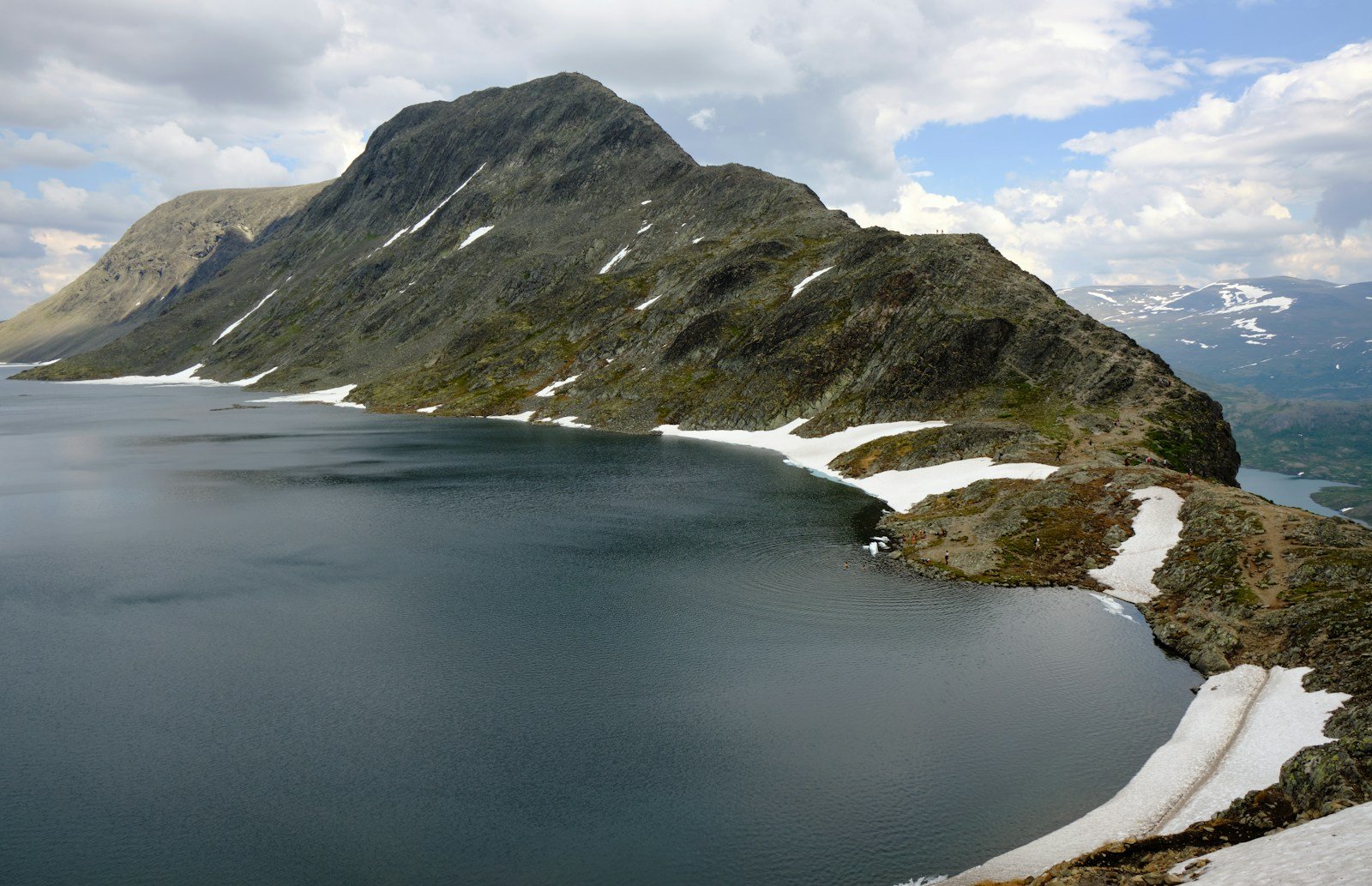
Photo: Barnabas Davoti on Unsplash.
What’s in the park
Jotunheimen sits in central southern Norway, roughly between the regions of Lom, Vågå, and Luster. It packs the high stuff into a compact range:
- Galdhøpiggen (2,469 m) - Norway’s highest mountain, and a walkable summit in good conditions. See the Galdhøpiggen guide.
- Glittertind (~2,465 m) - the second highest, a near-twin a few metres below depending on how you count the summit glacier.
- Besseggen - the ridge between the lakes Gjende and Bessvatnet, the most-walked day hike in Norway. See the Besseggen guide.
- Over 250 named peaks above 1,900 m, glaciers, and the turquoise glacial lake Gjende that anchors the eastern side.
The range splits roughly into a busier eastern side (Gjendesheim, Besseggen, easy access from the E6 corridor) and a wilder western and central side (more committing routes, fewer day-trippers).
The headline hikes
| Hike | Type | For |
|---|---|---|
| Besseggen | Day ridge walk | First-timers who want the classic; busy in summer |
| Galdhøpiggen | Summit day hike (glacier route guided) | Bagging Norway’s highest point |
| Hut-to-hut traverses | Multi-day | Crossing the range bed to bed via DNT cabins |
For the long routes, the DNT cabin and hut-to-hut system is what makes Jotunheimen so accessible - you can walk for days carrying a daypack and sleep indoors each night.
When to go
- Late June to mid-September is the realistic hiking season for the high routes. Snow lingers on the passes into early summer, and the staffed huts and the Gjende boat run on a summer schedule.
- July-August is peak: best weather odds, all services open, and the most company on the popular trails. Book huts ahead.
- Shoulder (late June, September) trades some weather risk for emptier trails and open-but-quieter huts. Check conditions before committing to a high pass.
- Winter is a different sport - ski touring and roped glacier travel, not summer hiking. Out of scope for a first trip.
Check the staffed-hut opening dates and the Gjende boat timetable for the current year before you plan around them - they shift slightly each season.
Planning a first trip
The straightforward first Jotunheimen trip is Gjendesheim as a base:
- Reach Gjendesheim on the eastern side (bus or car via the E6 / Otta corridor - verify the current Valdresekspressen / bus routes).
- Walk Besseggen as a day hike, using the Gjende boat one way so you walk the ridge in the recommended direction.
- Add a hut-to-hut night or two westward if you want more than a day hike.
This keeps the logistics simple, hits the classic ridge, and lets you scale up to a multi-day traverse once you’ve seen the terrain.
What to bring
Jotunheimen is high, exposed, and changeable - weather can turn from sun to sleet in an afternoon even in July.
- Layers, including a merino base layer and a waterproof shell - the high passes are cold and wet far more often than the valley.
- Proper footwear - a hiking boot or sturdy trail shoe with grip for wet rock and snow patches on the passes.
- A sleeping bag liner if you’re using huts - every DNT cabin requires one.
- Map and the means to navigate; phone signal is unreliable in the high country.
What the brochures leave out
Besseggen is busy
The most-photographed ridge in Norway is also the most-walked, and on a fine July Saturday it’s a queue in places. Go early, go on a weekday, or go in the shoulder season if solitude matters to you. The eastern side is the crowded side; the western and central park is where the space is.
“Walkable” peaks still cross glaciers
Galdhøpiggen’s standard route crosses a glacier and is done with a guide and rope for that reason. “Norway’s highest mountain is a hike” is true with the asterisk that part of it is glacier travel, not a trail. Don’t freelance it.
The boat and the huts run your schedule
The Gjende boat and the staffed huts define what’s possible and when. Miss the last boat or arrive after a hut closes for the season and the plan changes. Build the trip around their timetables, not the other way round.
Common questions
Is Jotunheimen good for first-time hikers in Norway?
Yes - it has the best mix of iconic day hikes, a hut system that removes the need to camp, and reasonable access. Besseggen from a Gjendesheim base is the classic first trip.
How many days do you need in Jotunheimen?
A day hits Besseggen. Three to four days lets you do a hut-to-hut traverse and a summit. A week covers the range properly with weather margin.
Do you need a guide?
For Besseggen and most marked trails, no. For Galdhøpiggen’s glacier route and any off-trail glacier travel, yes - take a guide.
When does the hiking season open?
Roughly late June, once snow clears the high passes and the staffed huts and Gjende boat start their summer schedule. Confirm the current year’s dates before planning.
Keep reading
- Besseggen - the classic ridge day hike
- Galdhøpiggen - Norway’s highest mountain
- DNT cabin and hut-to-hut system - how the multi-day routes work
- Best time to hike in Norway - season by season
- Hiking in Norway: the complete guide - the hub
Claude AI helped me with phrasing and proofreading in this article.